Sourdough Discard: What It Is, How to Store It, and the Best Ways to Use It
Last Updated on January 22, 2026 by Stephanie Gilpin

Sourdough discard can be confusing — especially for beginners.
If you’ve ever wondered what to do with all of the extra starter you remove during feedings, this guide will walk you through exactly what sourdough discard is, how to store it safely, and the best ways to use it in everyday recipes.
Sourdough Discard 101
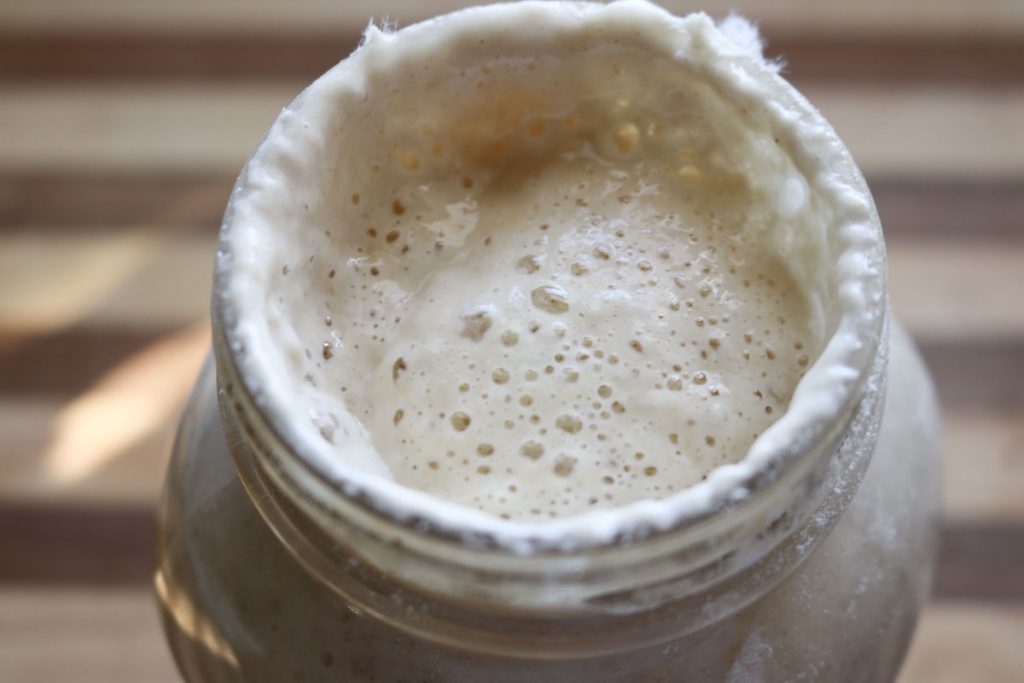
Whether you’re brand new to sourdough or already maintaining an established starter, this post will help you feel confident about using sourdough discard instead of wasting it!
What Is Sourdough Discard?
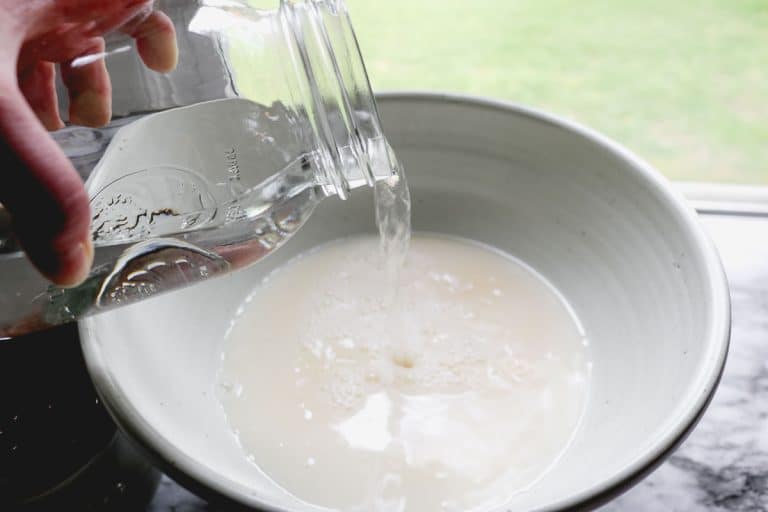
Sourdough discard is the portion of sourdough starter that is removed or “discarded” before feeding the remaining starter. This process of “discarding” is done to keep the starter healthy and balanced.
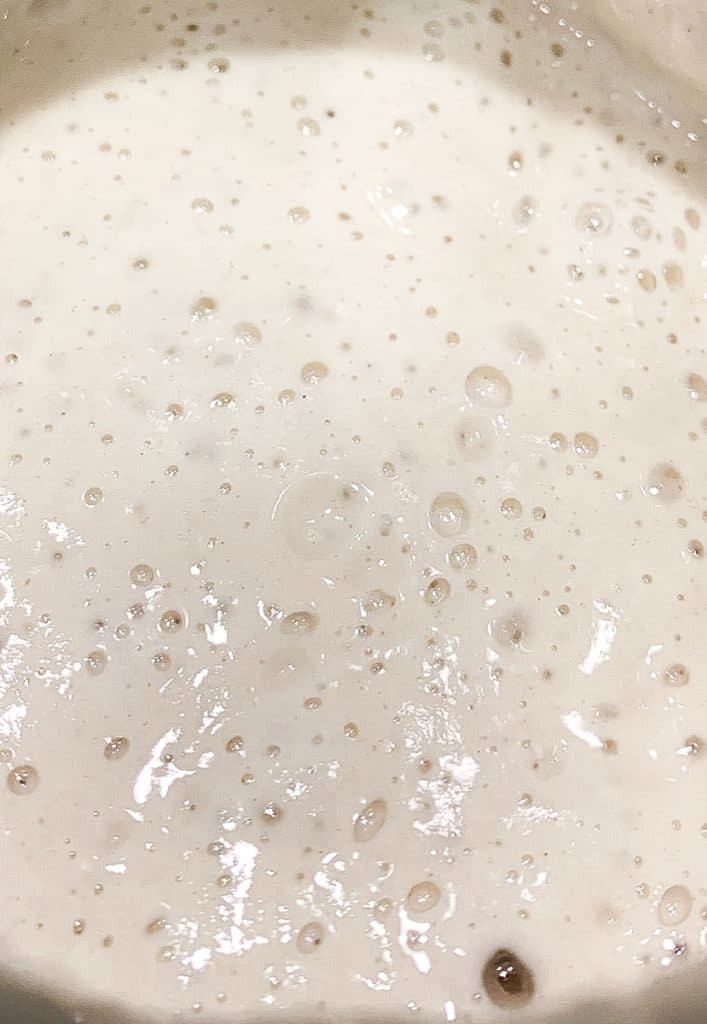
When you feed a sourdough starter, you remove some of it first so the yeast and bacteria don’t become overcrowded. That removed portion is called “discard.” While it may not be strong enough to leaven bread on its own, it still adds flavor, moisture, and structure to recipes.
Quick clarification for beginners — discard is not bad or spoiled; it’s simply unfed starter.
At any time, you can feed sourdough discard to make it active starter again.
Why You Get Sourdough Discard (And Why You Should Save It)
Sourdough discard is a natural part of maintaining a healthy starter. Regular feedings prevent your starter from becoming overly acidic or weak.
Instead of throwing discard away, many bakers save it because:
- It adds tangy flavor to baked goods
- It reduces food waste
- It works well in both sweet and savory recipes
- It can be used to thicken soups, gravy, and more!
Saving sourdough discard turns routine starter maintenance into an opportunity to bake more from scratch.
Is Sourdough Discard the Same as Active Starter?
No — sourdough discard and active starter are not the same thing. They are both sourdough starter, just at different stages of feeding and activity.
An active starter has been recently fed and is bubbly and strong enough to leaven bread.
Sourdough discard has not been fed recently and is typically used to add flavor and texture rather than rise.
In short:
- Active starter = leavening power
- Discard = flavor, moisture, and tenderness
Many sourdough discard recipes rely on baking soda, baking powder, or yeast for leavening. For example, my one-hour sourdough pizza crust uses yeast to provide a quick rise, while the sourdough discard adds that classic sourdough flavor.
How to Store Sourdough Discard
Storing sourdough discard properly keeps it safe to use for weeks or even months.
How to Store Sourdough Discard in the Refrigerator
Sourdough discard can be stored in a covered container in the refrigerator.
- Use a glass jar or airtight container
- Stir before using if dark grey liquid forms on top
Most refrigerated discard is best used within 1–2 weeks, though older discard can still be usable depending on smell and appearance.
Over time, as the wild yeast in sourdough discard goes unfed, it becomes more acidic and develops a stronger sour smell. When baked with, older discard will contribute a more pronounced sour flavor.
For best flavor and results, it’s ideal to use sourdough discard within the first few weeks.
Can You Freeze Sourdough Discard?
Yes, sourdough discard freezes very well.
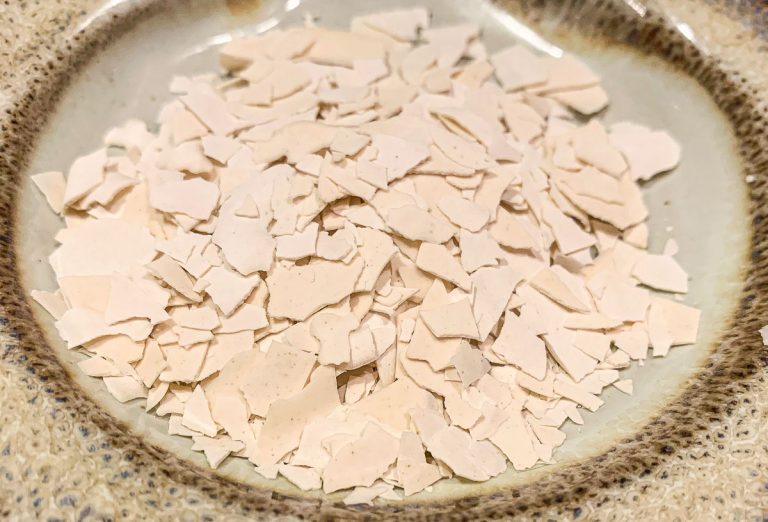
Freezing discard is a great option if you bake occasionally or want to save up enough for batch baking. Freeze it in portioned containers or freezer-safe bags, then thaw overnight in the refrigerator when ready to use.
Frozen discard works best in pancakes, muffins, crackers, cookies, and other discard recipes.
How Old Is Too Old? Is My Sourdough Discard Safe to Use?
Sourdough discard should be discarded if you see mold or smell anything unpleasant.
A sour or tangy smell is normal. A strong rotten, cheesy, or moldy smell is not.
Signs discard is safe to use:
- Sour, yeasty aroma
- Very acidic smell, similar to acetone (signifies a very hungry discard)
- Gray liquid (hooch) on top is normal- this is a sign your starter is hungry
- No visible mold
Signs You Should Throw Away Your Starter and Start Over
- Visible mold or a moldy smell
- Pink or orange streaks or spots: This can indicate Serratia marcescens, a harmful bacteria that causes pink, orange, or reddish discoloration. If you see this, the starter is unsafe and should be discarded completely.
A quick word of reassurance: A healthy sourdough starter that is fed regularly — or kept in the refrigerator and fed periodically — is very hard to ruin. It’s rare for a starter to be truly beyond saving, and when it is, the signs are obvious.
Best Ways to Use Sourdough Discard
Sourdough discard is incredibly versatile and can be used in a wide variety of recipes. In fact, sourdough discard recipes are some of my favorites to make!
Active sourdough starter is primarily used for breads, while sourdough discard is typically used for everything else- pancakes, biscuits, desserts, and more!
Sweet Sourdough Discard Recipes
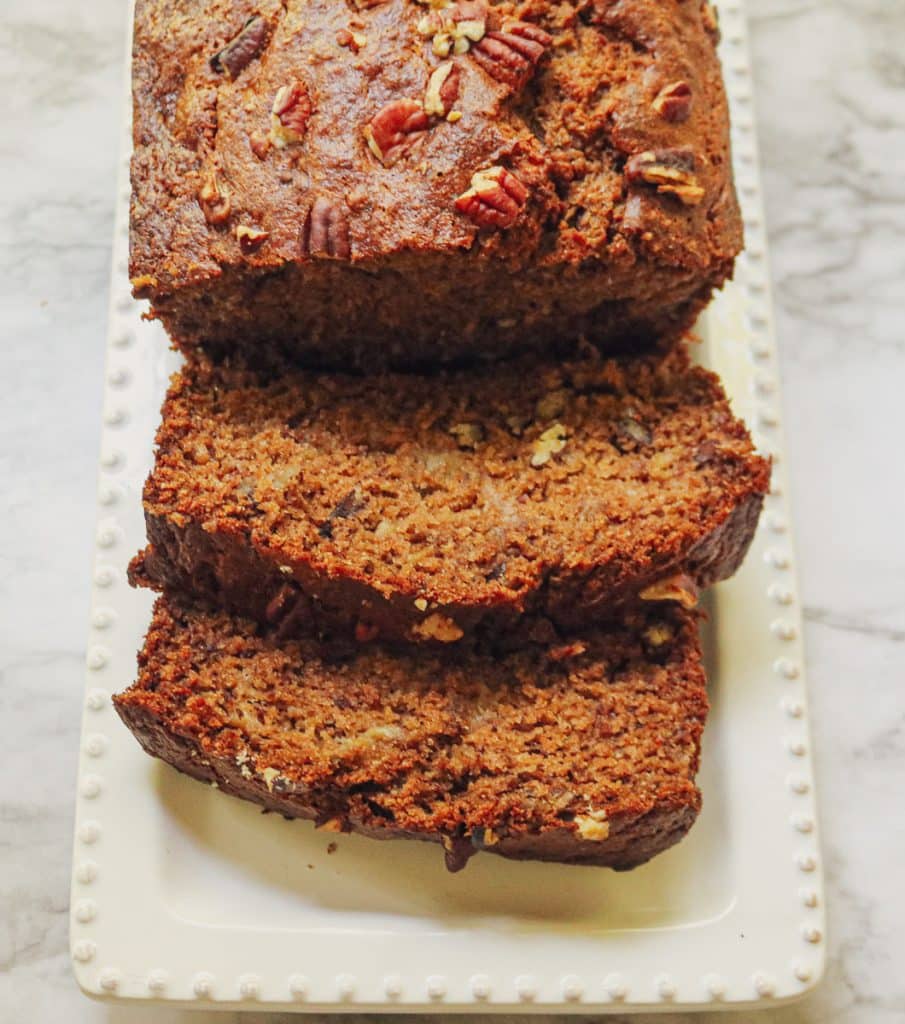
Sourdough discard adds moisture and a gentle tang to cookies, bars, and other desserts. It works especially well in recipes where a slight sour note balances and enhances sweetness.
I love using sourdough discard to push dessert recipes over the top in terms of flavor. Sourdough sugar cookies, for example, strike the perfect balance between tangy and sweet and are far more flavorful than typical store-bought versions.
Sourdough chocolate pound cake is another standout. It’s rich, chocolatey, and sweet, with a deep, complex flavor that you can only achieve by adding sourdough discard.
Savory Sourdough Discard Recipes
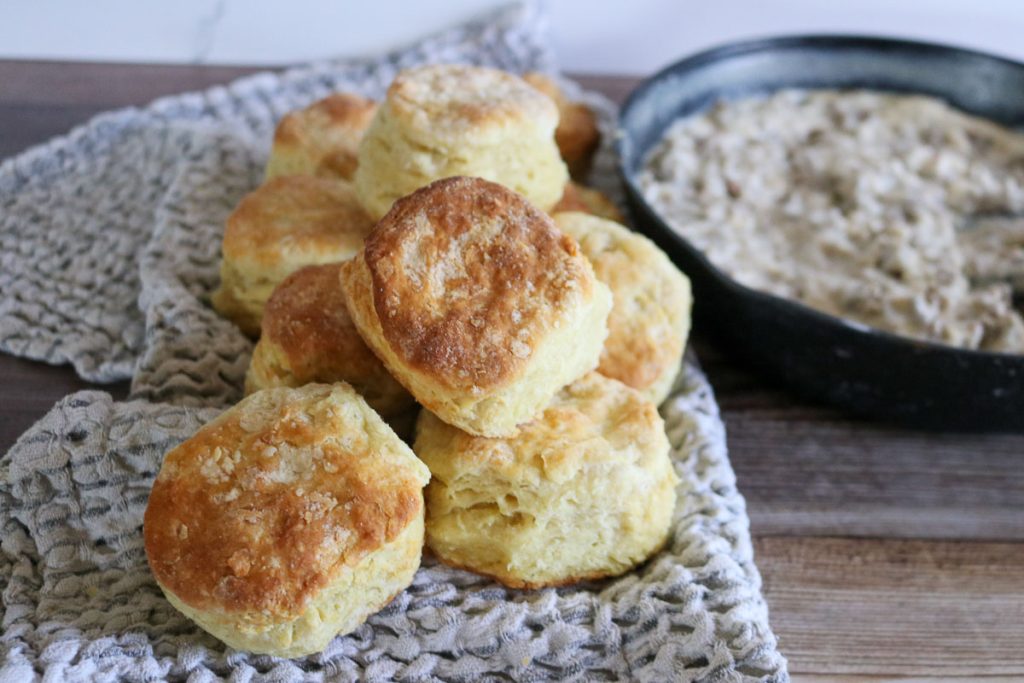
Savory discard recipes are also great for quick meals and snacks. The flavor pairs well with practically everything- cheese, herbs, vegetables, you name it!
Sourdough dumplings can be made for a quick meal of chicken and dumplings. This is one of my favorite winter meals for chilly nights. This meal is warm, nourishing and very low effort!
Sourdough croutons can be paired with tomato soup or salad to add some crunch and a punch of flavor to the meal. The best part of croutons is that they are just toasted stale bread- super quick and easy to make from leftover bread!
Breakfast and Everyday Recipes Using Discard
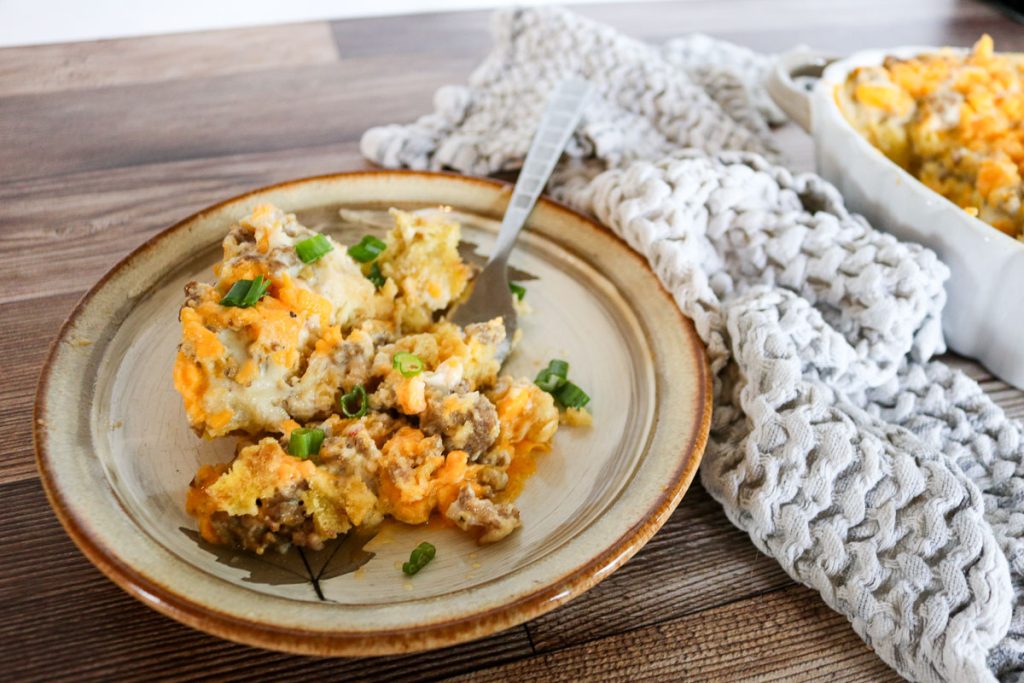
Discard is perfect for breakfast foods because it adds tenderness without long fermentation times. No one in my household wants to wait an hour for breakfast, even if it’s delicious. So I turn to quick sourdough discard breakfast recipes to keep the “hangry” feelings at bay!
Everyone knows sourdough pancakes are delicious, but far fewer people have experienced the joy of flaky sourdough biscuits — and they have my whole heart. Imagine all the buttery, flaky layers of a Grands-style biscuit, without the weird processed taste. These biscuits taste like absolute joy. Is that too far? Maybe. But you’ll just have to try them and decide for yourself.
Even better than sourdough biscuits is sourdough breakfast casserole made with leftover biscuits. Biscuits, sausage gravy, eggs, and cheddar cheese all baked together? It’s comfort food at its finest — truly smack-your-mama good. (Sorry, Mom.)
Does Sourdough Discard Have Health Benefits?
Sourdough discard still contains fermented flour, which may be easier to digest than unfermented grains for some people. However, discard recipes are not fully fermented like most active sourdough bread recipes.
Even still, discard recipes can still offer some of the benefits of fermentation, including improved flavor and digestibility.
Many discard recipes will offer additional long-fermentation instructions for those who want the digestive benefits.
Common Mistakes When Using Sourdough Discard
Many issues with discard recipes come from a few rookie mistakes.
Common mistakes include:
- Expecting discard to make recipes rise on its own- discard usually lacks the strength to leaven recipes
- Using discard that is overly acidic- this will make the taste overly sour
- Not adjusting liquid when using wet discard- very thin, watery discard will require more flour or less liquid in the recipe
Understanding how discard works in a recipe helps prevent dense or overly sour results.
Frequently Asked Questions About Sourdough Discard
Can I use sourdough discard straight from the fridge?
Yes, most discard recipes work well with cold discard.
Can sourdough discard replace flour in recipes?
No. Discard is an addition, not a direct replacement for flour.
Are sourdough discard recipes beginner-friendly?
Yes. Many discard recipes are easier than traditional sourdough bread.
Can I bake with discard every day?
Yes, as long as your starter is healthy and discard is stored properly.
Best Beginner Sourdough Discard Recipes to Start With
If you’re new to baking with discard, start with simple recipes that don’t rely on fermentation timing.
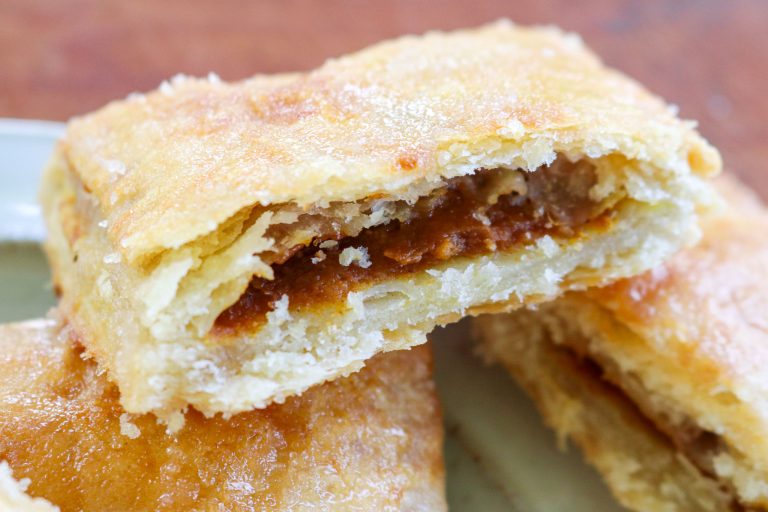
My top picks for beginner discard recipes would be sourdough banana bread, sourdough biscuits, or sourdough poptarts.

Learn More About Sourdough Baking
If you’re just starting your sourdough journey, these guides will help you build confidence step by step.