
Sourdough baking doesn’t have to be intimidating or complicated. At its core, sourdough is simply flour, water, time, and a little patience — and once you understand how those pieces work together, it becomes one of the most rewarding ways to bake at home!
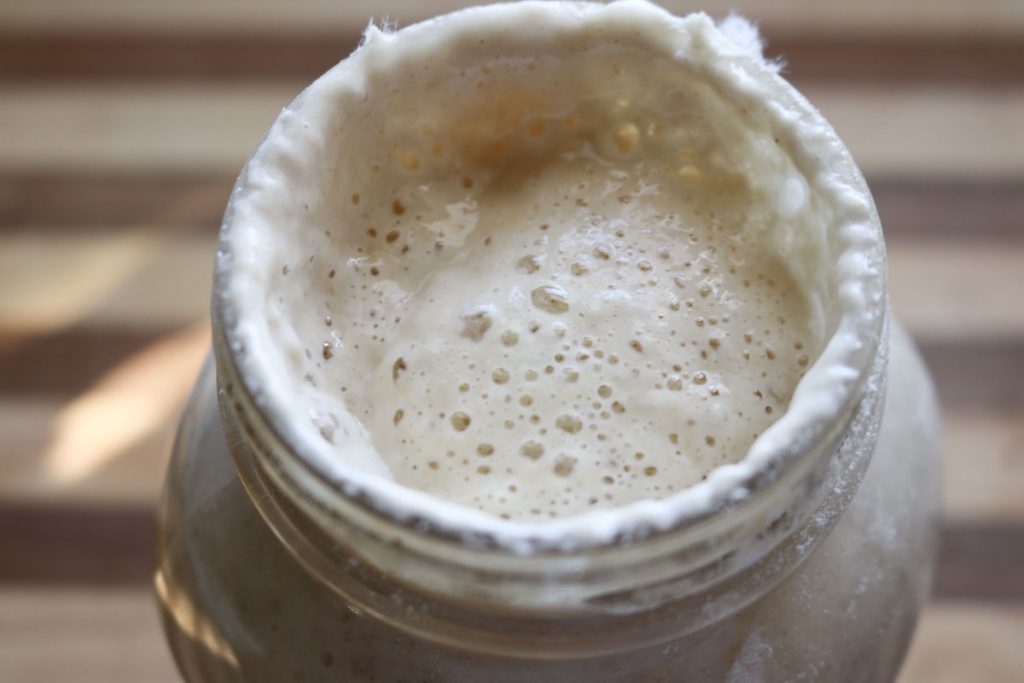
This sourdough guide is here to help you learn how sourdough actually works, where to start if you’re new, and how to confidently branch into breads, discard recipes, and sweet baking — all without unnecessary steps or stress.
Whether you’re just getting started or have been baking sourdough for years, this page will point you to the right recipes and resources on my site.
What Is Sourdough?
Sourdough is a natural form of fermentation that uses wild yeast and bacteria instead of commercial yeast. A sourdough starter is created from flour and water and becomes the leavening agent for bread and other baked goods.
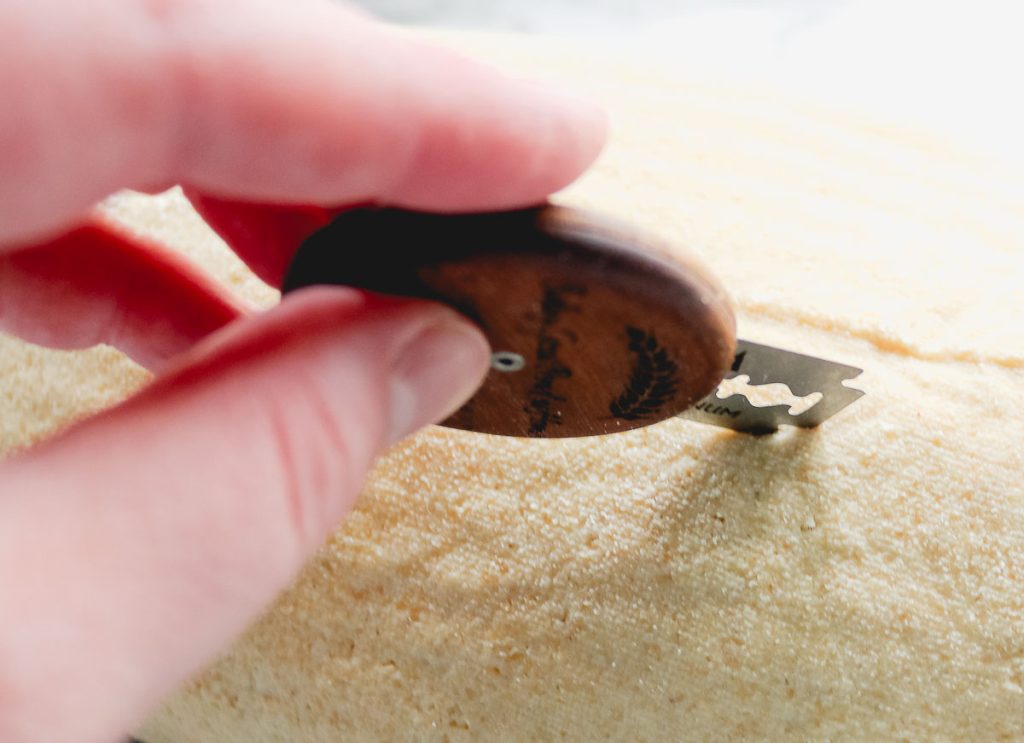
Because sourdough ferments slowly, it:
- Develops deeper flavor
- Improves texture naturally
- Fits beautifully into from-scratch, traditional baking
- Can be easier to digest for some people
- Contains gut friendly microbes
Sourdough isn’t about perfection — it’s about learning how dough behaves and working with it, not against it.
New to Sourdough? Start Here
If you’re brand new to sourdough, don’t try to learn everything at once. The best way to build confidence is to start simple and layer skills gradually.
Start with:
- A beginner’s guide to sourdough starter
- How to maintain and feed a healthy starter
- Your first simple sourdough bread recipe
- An understanding of feeding, timing, and temperature
Begin with my Beginner’s Guide to Sourdough Starter, then learn how to maintain a healthy sourdough starter before moving on to an easy first sourdough bread recipe once your starter is active. These foundational posts will walk you through the process without overcomplicating things.
Sourdough Bread Recipes
Once your starter is active, bread is the natural next step. Sourdough bread doesn’t need to be fancy to be good — simple loaves baked consistently are far more valuable than chasing perfection.
Here you’ll find:
- Everyday sourdough loaves
- Sourdough bagels
- Sourdough Pizza
Sourdough bread doesn’t have to be complicated to be successful. I focus on approachable recipes like my no-knead beginner sourdough loaf, along with structured bakes such as sourdough bagels, to help build confidence with consistent, reliable results.
These recipes focus on technique, timing, and repeatable results.
Sourdough Discard Recipes
Sourdough discard is one of the best parts of baking with a starter. Instead of throwing it away, you can turn it into quick, flavorful baked goods that don’t require long fermentation or wait times.
Discard recipes are:
- Fast
- Forgiving
- Perfect for busy days
You’ll find ideas for:
- Flaky Biscuits
- Tortillas and flatbreads
- Simple baked goods for everyday use
You’ll find practical, everyday ways to use sourdough discard in my kitchen, like sourdough flaky biscuits, which are tender, buttery, and easy to make without long fermentation. Recipes such as sourdough tortillas are another simple way to put discard to work in from-scratch meals without extra planning.
Sweet Sourdough Baking
Sourdough isn’t just for bread. It works beautifully in sweet baking, adding depth without overpowering flavor.
Sweet sourdough recipes are great for:
- Cookies
- Cakes
- Muffins and breakfast treats
These recipes balance fermentation with sweetness so they still feel familiar and family-friendly.
Sourdough works beautifully in sweet baking, adding depth and balance without overpowering flavor. Recipes like sourdough chocolate pound cake and sourdough gingerbread cookies show how sourdough can enhance everything from simple cakes to classic holiday treats.
Sourdough Techniques & Troubleshooting
Understanding why something happens is just as important as following a recipe. This section focuses on the practical side of sourdough baking, helping you recognize how dough should look and feel as it ferments, rises, and bakes.
As you gain experience, topics like dough texture, temperature, starter readiness, and timing become easier to understand — and learning how to adjust these elements is what leads to more consistent results over time.
Baking Sourdough with Fresh Milled Flour
Sourdough and fresh milled flour work beautifully together, but they behave differently than store-bought flour. Freshly milled grain absorbs more liquid, ferments differently, and benefits from small adjustments in hydration and handling.
If you bake with fresh milled flour, understanding how wheat choice and dough texture affect sourdough will help you adapt recipes with confidence and get better results from whole grain baking.
Frequently Asked Sourdough Questions
Do I need special equipment to bake sourdough?
No. A bowl, scale, and oven are enough to get started.
Can I bake sourdough on a schedule?
Yes. Sourdough is flexible once you understand timing and temperature. Although if you prefer more flexible baking, I’ve got you covered there too!
Is sourdough always sour?
No. Flavor depends on fermentation length and starter balance.
Can I use sourdough discard straight from the fridge?
Yes, for most discard recipes.
Where to Go Next
If you’re:
- Brand new → Start with the beginner sourdough guide
- Baking weekly → Explore bread and discard recipes
- Interested in whole grains → Learn about fresh milled flour baking
Sourdough is a skill you build over time. The more you bake, the more intuitive it becomes — and the more enjoyable the process feels.