Pollinator-Friendly Plants for Backyard Gardens (By Season)
Last Updated on December 29, 2025 by Stephanie Gilpin
Planting a pollinator-friendly garden is one of the simplest ways to support bees, butterflies, and other beneficial insects — and it doesn’t require a large space or complicated setup.
Whether you’re growing vegetables, flowers, or a mix of both in a potager garden, adding plants that bloom throughout the growing season helps create a steady food source for pollinators.
This guide breaks down pollinator-friendly plants by season, so you can plan a garden that supports them from early spring through fall.
What Is a Pollinator-Friendly Garden?
A pollinator-friendly garden includes plants that provide:
- nectar
- pollen
- shelter
These gardens support bees, butterflies, moths, and other insects that play a key role in pollinating flowers and food crops. Even a small backyard garden or raised bed can make a difference.
Why Plant for Pollinators by Season?
Pollinators need food all season long, not just when summer flowers are in bloom. By choosing plants that flower at different times of year, you help ensure pollinators always have something to forage.
This is the key to keeping pollinators around all year round! And, the key to growing more in a less space.
More pollinators = more production!
Planting for pollinators by the season also:
- creates a more resilient garden
- improves bloom continuity
- reduces gaps when pollinators struggle to find food
- Increases vegetable production
Early Spring Pollinator Plants
Early spring blooms are especially important when pollinators are just emerging and food sources are more limited.
Good Early Spring Options
- Crocus
- Snowdrops
- Calendula (when winter sown)
- Hellebores
- Sweet alyssum (sow early)
These plants often bloom before most garden flowers and provide an essential early food source.
Late Spring Pollinator Plants
As temperatures warm, pollinator activity increases and gardens begin to fill in more and more. These plants will provide a second wave of food for the pollinators:
Late Spring Favorites
- Alliums
- Borage
- Calendula
- Chives (let them flower)
- Fruit tree blossoms
Late spring flowers help bridge the gap between early blooms and summer abundance.
Summer Pollinator Plants
Summer is peak pollinator season, and diversity matters most during this time.
Reliable Summer Bloomers
- Echinacea (coneflower)
- Bee balm
- Lavender
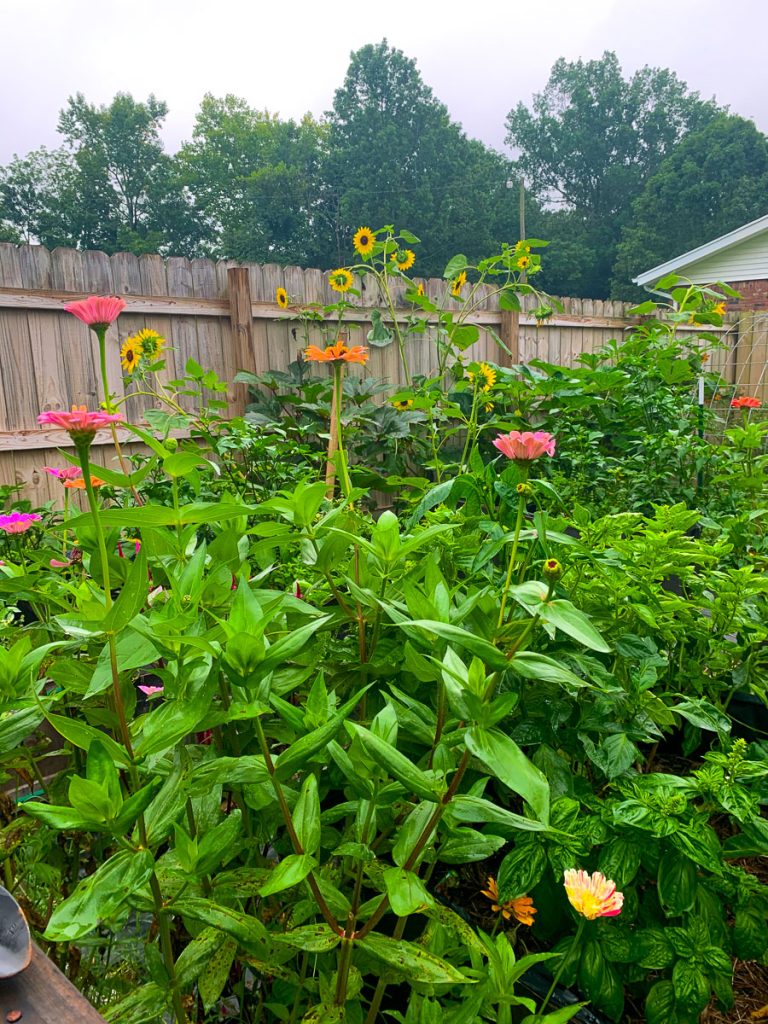
- Zinnias
- Cosmos
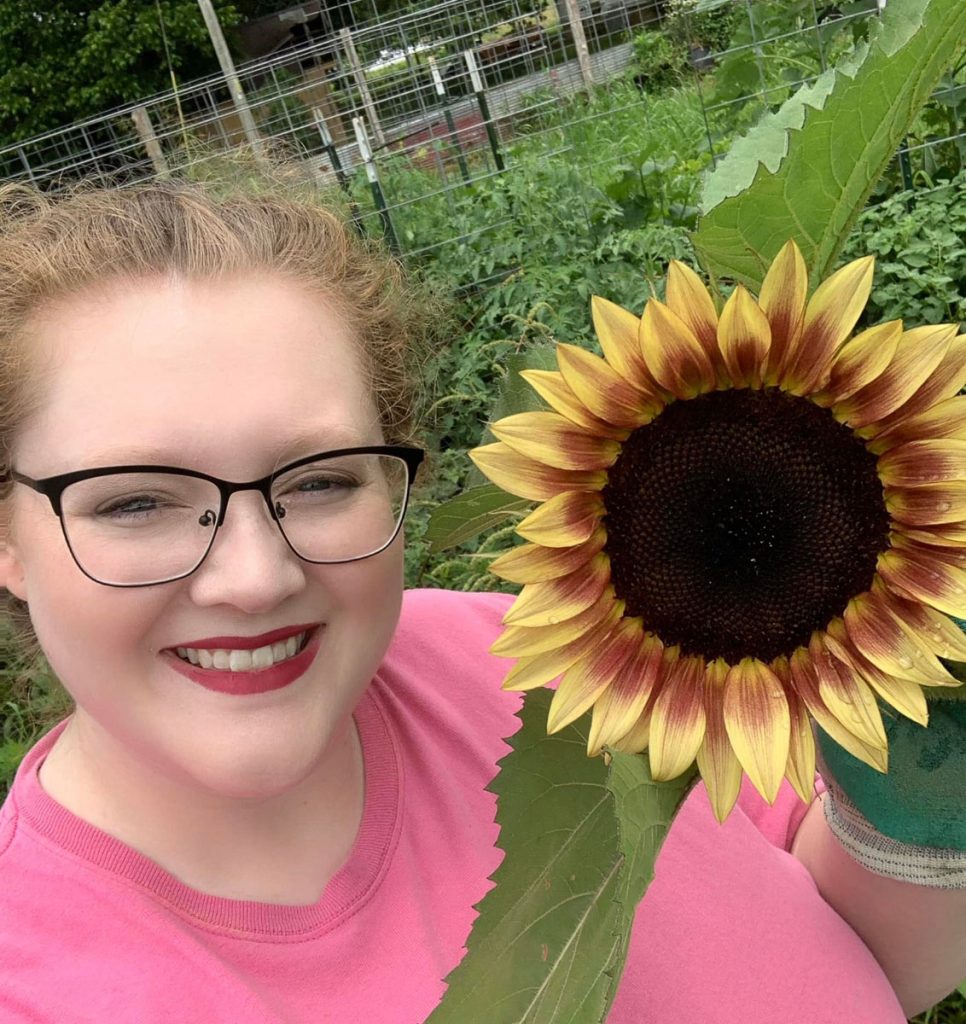
- Sunflowers
- Mexican Sunflowers
- Tiger Lilies
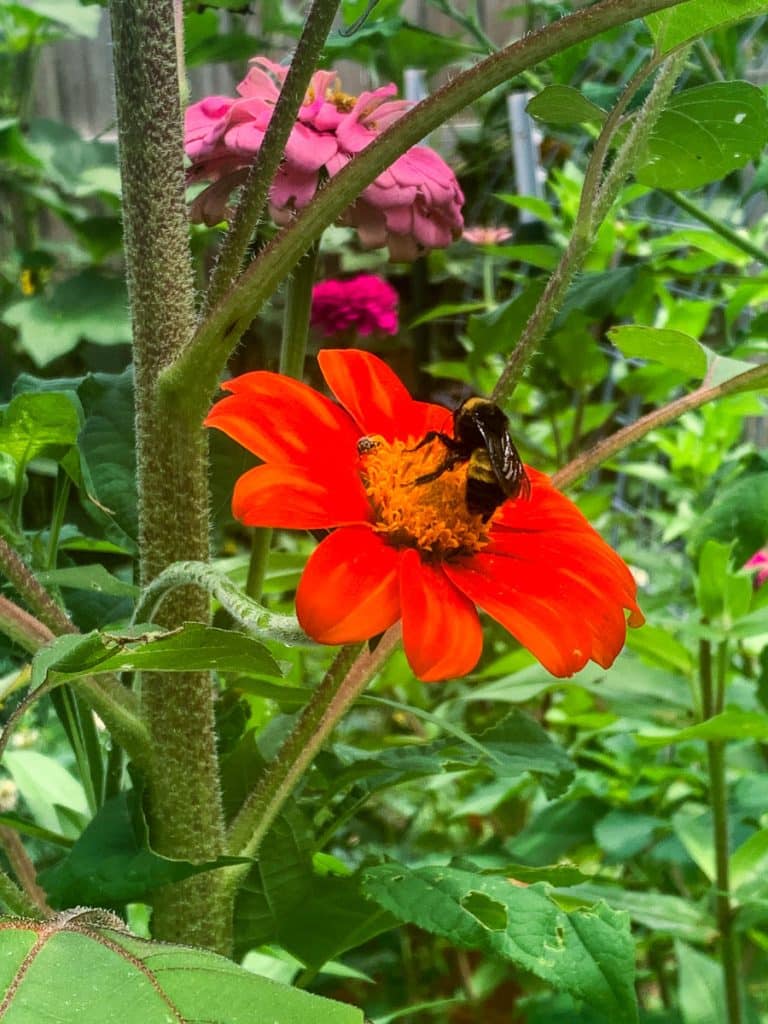
These plants are easy to grow and attract a wide range of pollinators.
Fall Pollinator Plants
Late-season blooms are critical as pollinators prepare for winter.
Fall-Blooming Choices
- Goldenrod
- Asters
- Sedum
- Late planting of Zinnias and Sunflowers
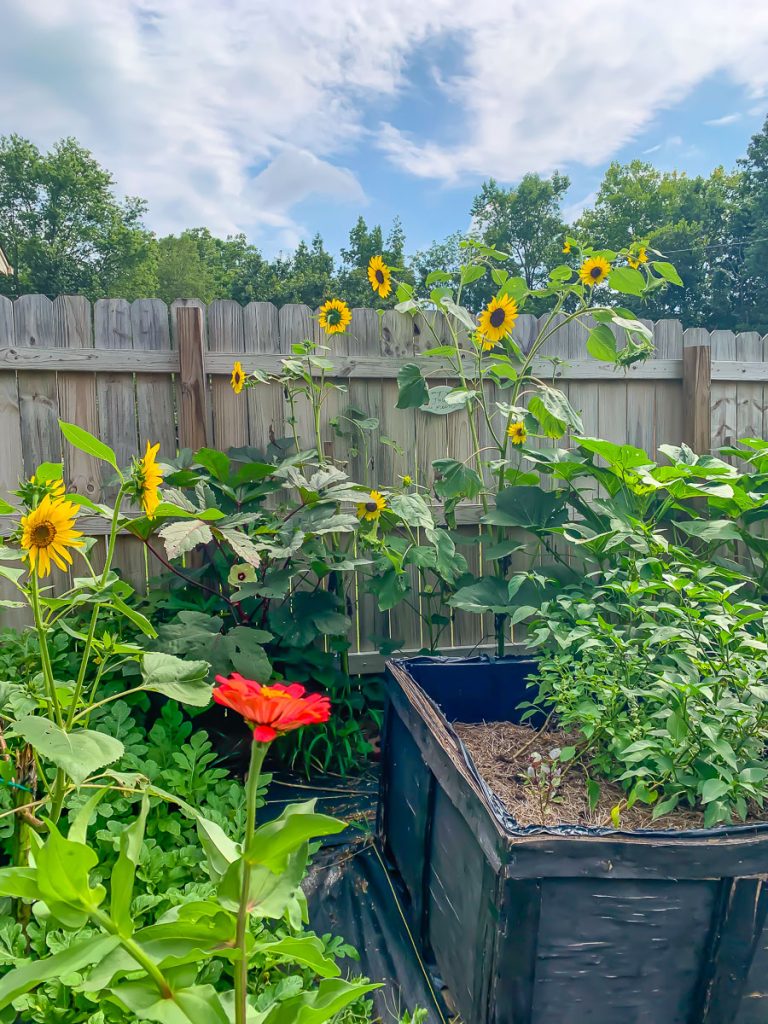
Fall flowers help pollinators build energy reserves before colder weather arrives.
How Many Pollinator Plants Do You Need?
You don’t need a dedicated pollinator garden to make an impact.
Even:
- a few flowering herbs
- a border of native flowers
- letting vegetables bolt and bloom
can provide valuable resources for pollinators.
The goal is continuous bloom, not just one flush of blooms.
Native Plants vs Non-Native Plants
Native plants are often the best choice because they support local pollinators and tend to thrive in the same conditions those insects rely on. However, many non-native flowers can still provide nectar and pollen.
A balanced approach works well:
- prioritize native plants when possible
- supplement with easy-to-grow annuals
Where to Plant Pollinator-Friendly Flowers
Pollinator plants can be added:
- along garden borders
- in raised beds
- in containers
- among vegetable crops (this is often best for boosting production and protecting crops from some pests)
Mixing flowers into your vegetable garden helps attract beneficial insects directly where they’re needed.
Once you’ve chosen pollinator-friendly plants, how you arrange and care for them matters too. Plant placement, bloom timing, and simple garden habits all play a role in supporting pollinators throughout the year.
I walk through those details step by step in this post on how to increase your harvest by planting a pollinator garden.
How Pollinator Gardens Support Your Harvest
Pollinators don’t just benefit flowers — they play a major role in food production too. When pollinators are present and active, crops like squash, tomatoes, cucumbers, and berries are more productive, meaning you get a better harvest!
I share a deeper look at how pollinator gardens support vegetable harvests here:
How to Increase Your Harvest by Planting a Pollinator Garden
Frequently Asked Questions
What is the best plant for pollinators?
There isn’t one single best plant. A mix of flowers that bloom at different times of year provides the most benefit.
Do pollinator gardens need to be large?
No. Even small gardens, containers, or borders can support pollinators when planted intentionally.
Are herbs good for pollinators?
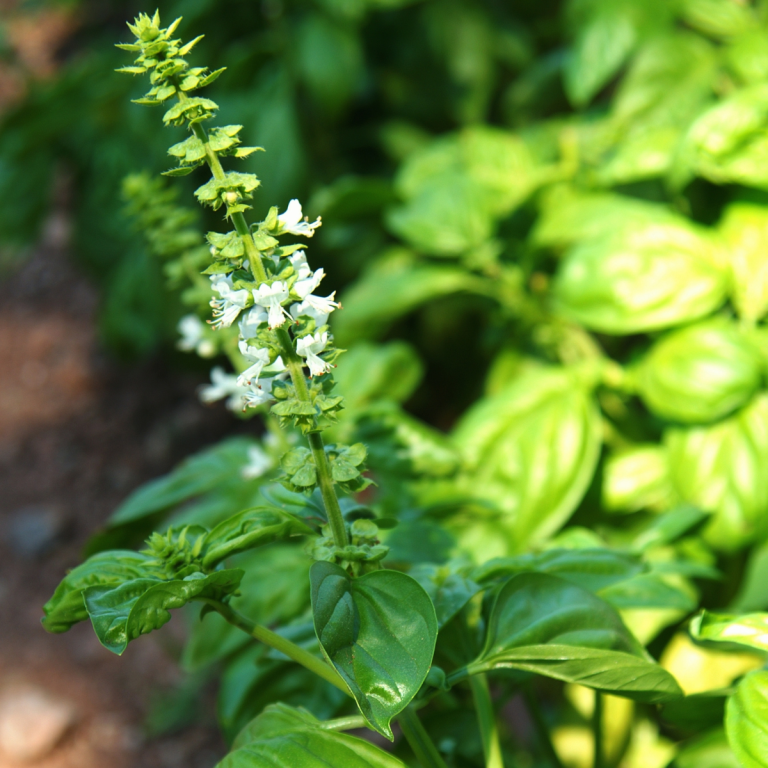
Yes. Herbs like thyme, oregano, basil, and chives are excellent pollinator plants when allowed to flower.
Should I avoid pesticides in a pollinator garden?
Yes. Avoiding pesticides is one of the most important steps in creating a pollinator-friendly space.
Strive for Garden Progress not Perfection:
Planting pollinator-friendly plants doesn’t have to be complicated or overwhelming. By choosing a few reliable flowers for each season, you can create a garden that supports pollinators year-round while adding beauty and life to your backyard.
Even small changes help, and pollinators will naturally visit gardens that provide consistent food sources.