Granny’s No Fail Southern Boiled Custard Recipe
Last Updated on December 16, 2025 by Stephanie Gilpin
This isn’t just a recipe—it’s a Christmas morning tradition that’s been loved in our family for generations.
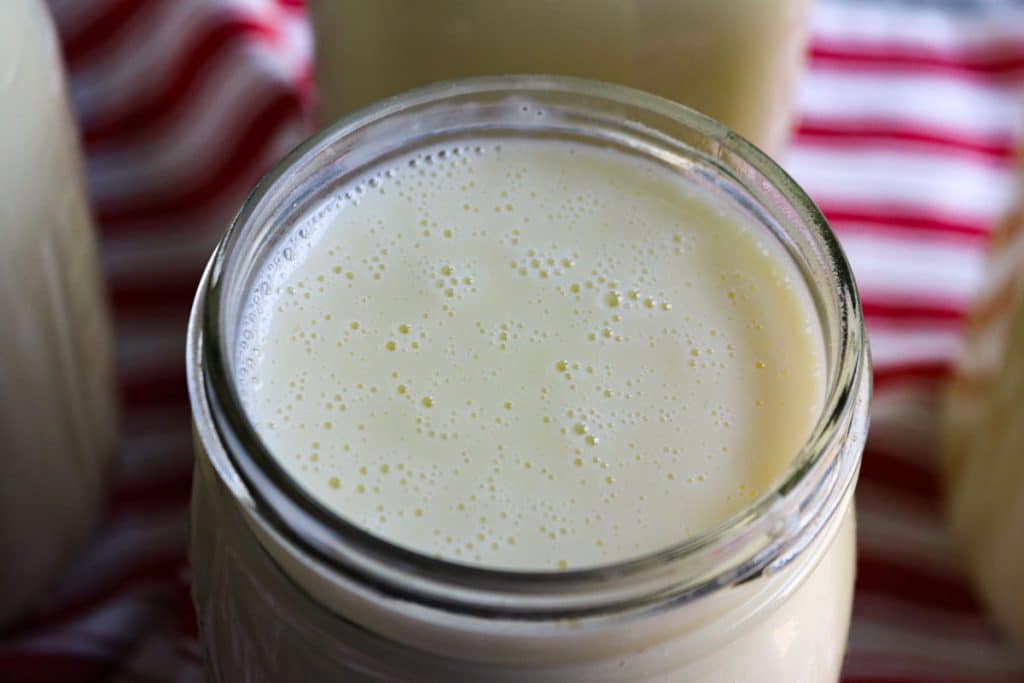
Boiled custard has been part of my family’s holiday table for as long as I can remember—long before I was ever around.
Every Christmas, all the kids and grandkids would pile into her little 100-year-old farmhouse. The house always smelled like homemade biscuits, Sanka coffee, red-eye gravy, and sweet custard quietly simmering on the stove.
That’s what recipes like this become over time—warm memories that just feel like home.
But more than the nostalgia, this custard is easy, dependable, and truly no-fail. It’s been made the same way for generations, with no guesswork and no stress, and it turns out right every single time!
This is the kind of recipe your family will love now—and keep coming back to every Christmas after.
What is Boiled Custard?
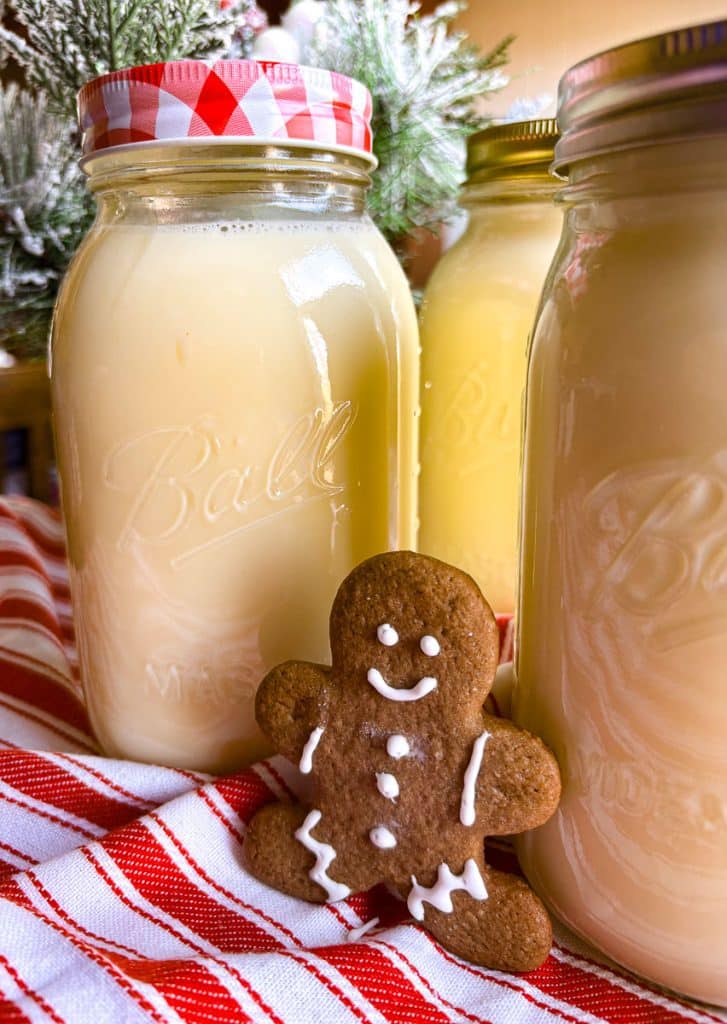
Boiled custard is a true Southern staple around the holidays. It is a gently cooked mixture of milk, eggs, sugar, and vanilla that thickens into a silky, creamy drink. Served cold, it’s sweet, smooth, and the perfect festive treat for Christmas morning!
What is the Difference Between Boiled Custard and Eggnog?
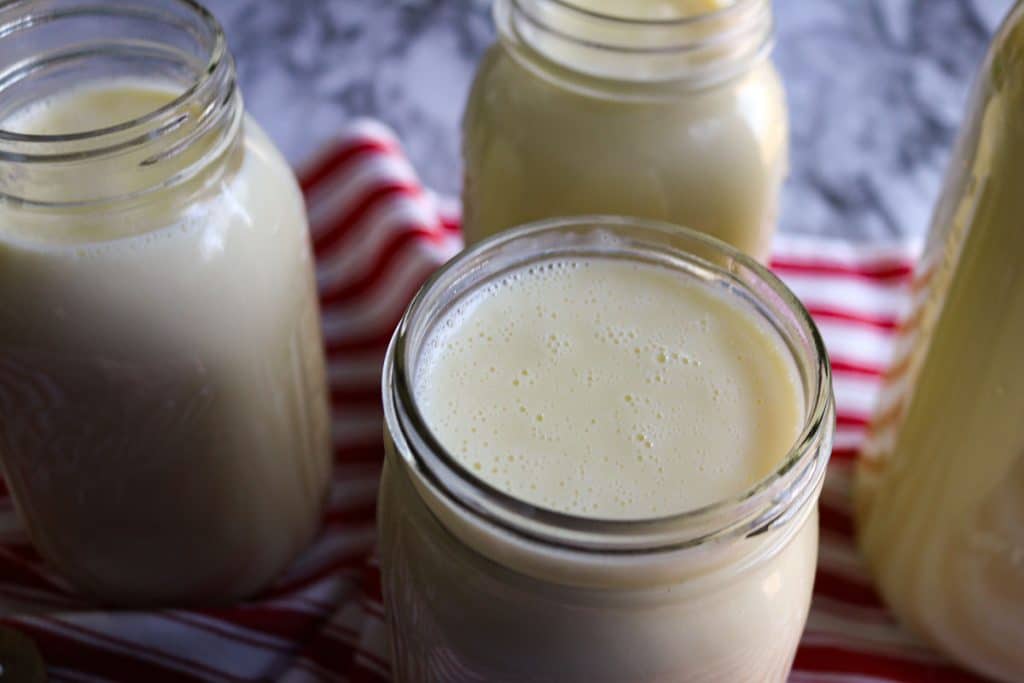
Boiled custard isn’t typically spiced like eggnog, letting vanilla shine as the main flavor. It’s also cooked a bit longer, which makes it thicker, richer, and slightly creamier than eggnog.
Helpful Kitchen Tools:
- Large heavy-bottomed pot
- Fine-mesh strainer
- Large spoon or danish whisk
- Half-gallon mason jars or large lidded pitcher
Ingredients for Southern Boiled Custard
These are the same amounts my Granny used to make enough for a holiday crowd, approximately a gallon:
- 1 gallon whole milk
- 8 whole eggs, well beaten
- 3 3/4 cups white sugar
- Salt to taste
- 5 heaping tablespoons cornstarch
- Vanilla to taste
Instructions
- Begin by reserving two cups of the whole milk, then pour the remaining milk into a large pot or double boiler.
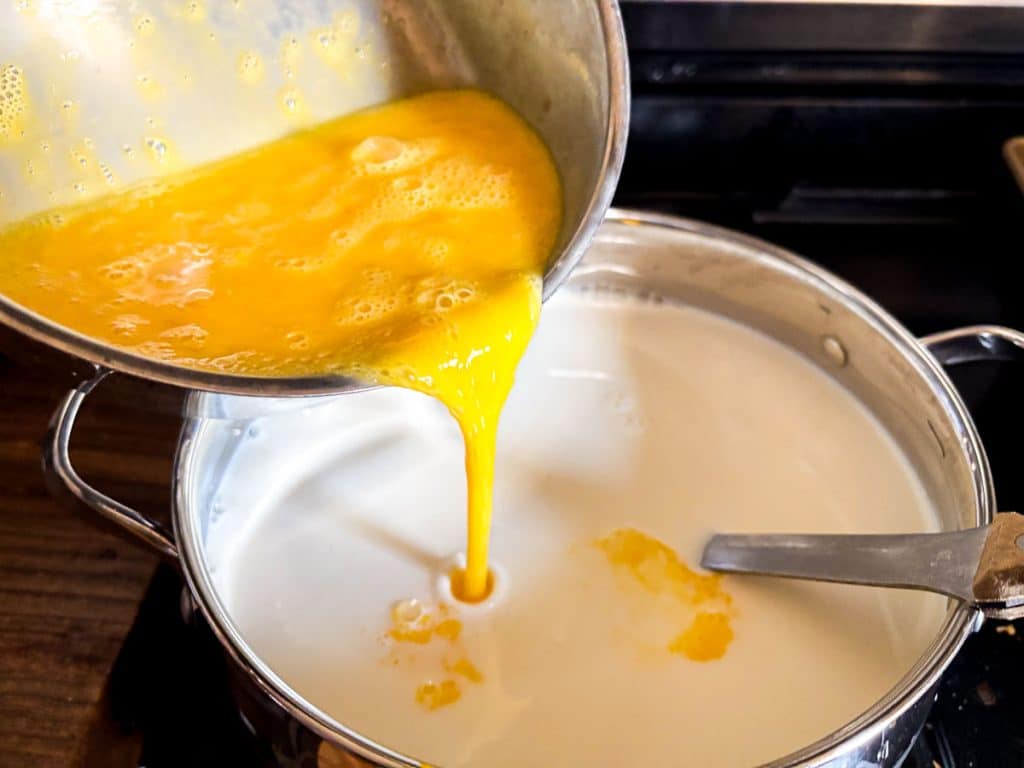
- Add the beaten eggs to the pot and cook the mixture over medium-low heat, stirring often and watching for small bubbles to form around the edges.

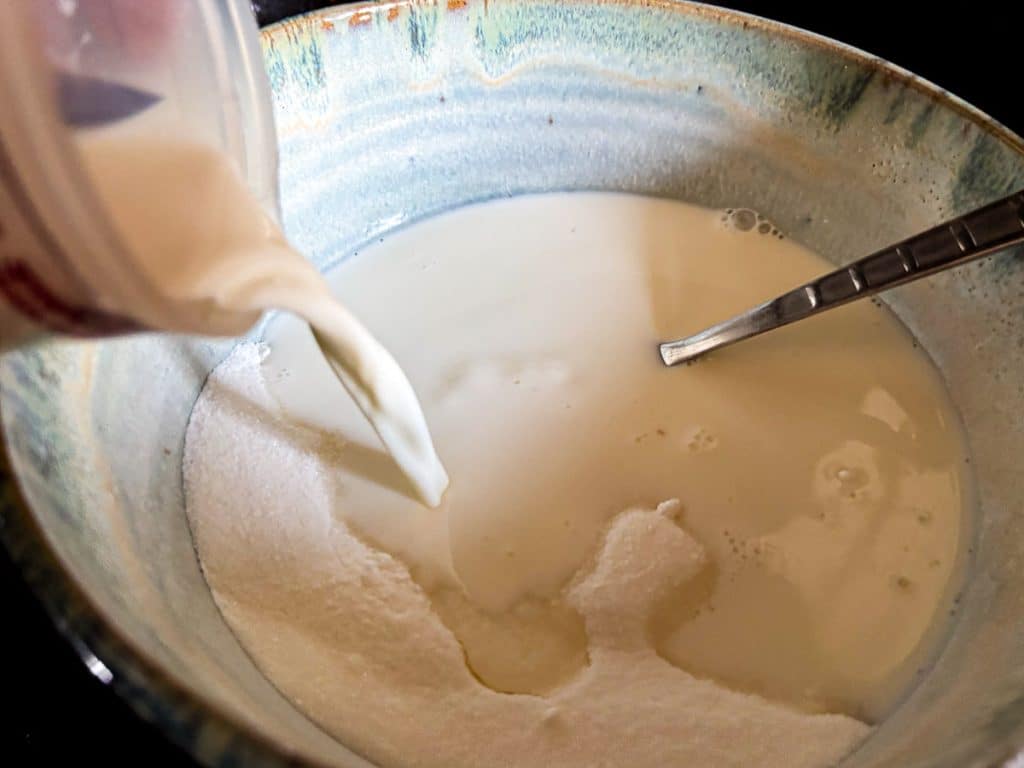
- While the milk and eggs gently warm on the stove, combine the sugar and cornstarch in a separate bowl. Mix this sugar-cornstarch blend into the reserved two cups of milk until it is completely smooth, with no lumps remaining.
- Pour the milk mixture into the pot with the warm milk and eggs, stirring well to ensure everything is thoroughly combined. Allow the custard to continue cooking for several minutes, stirring frequently to prevent the bottom from scorching.
- Check the custard for doneness by making sure it coats the back of a spoon. When you can swipe your finger across the back of the spoon and create a line that doesn’t immediately fill back in, it’s ready to come off the heat. Keep in mind, it will thicken a little bit more once it cools.
- I also like to double-check the temperature and look for around 180°F for perfect thickness. Granny never fooled with a thermometer, but I often do, just for peace of mind.
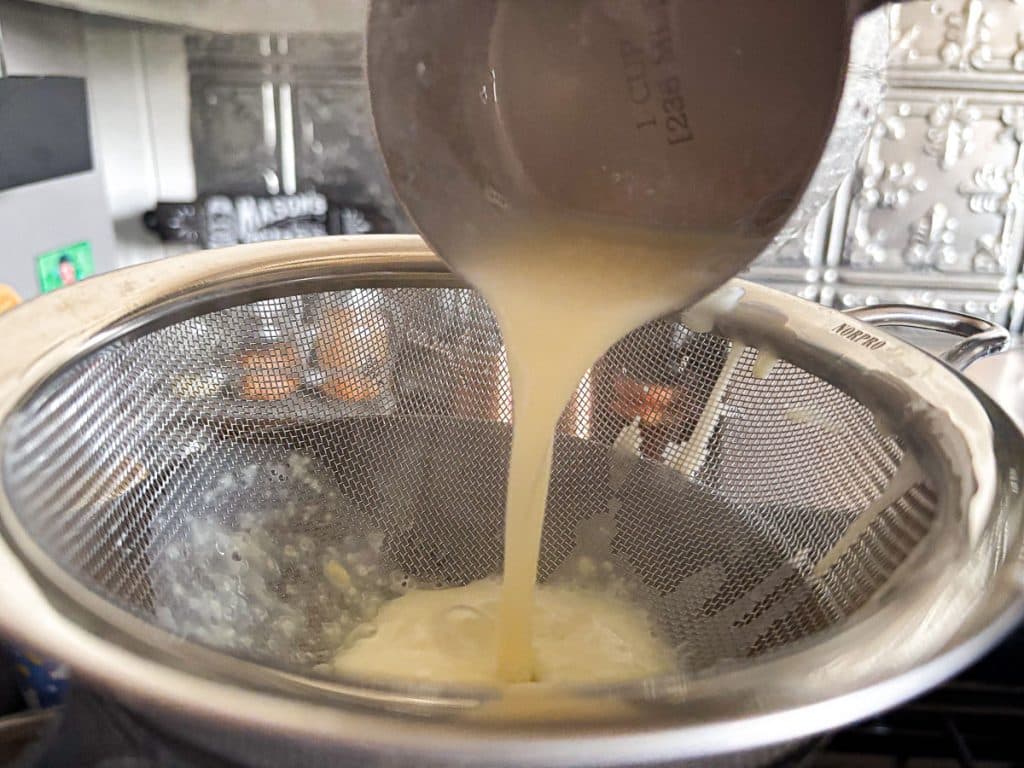
- Stir in the vanilla and then strain the mixture through a fine mesh sieve to guarantee a perfectly smooth texture.

You may serve the custard warm straight from the pot. However, most people in my family prefer it chilled, especially alongside a plate of hot breakfast foods.
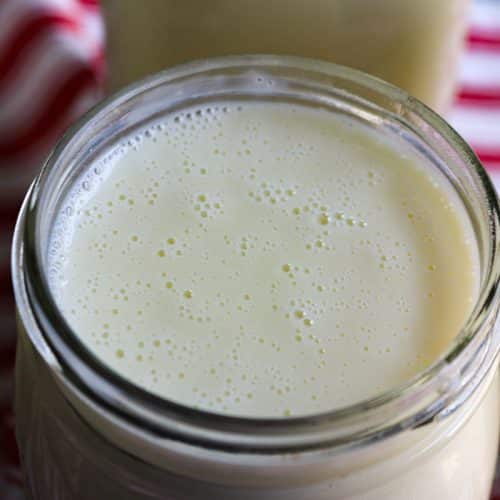
Pour it into gallon mason jars or a covered pitcher and cool it completely. Once cooled, store in the refrigerator for 3-4 days.
If you enjoy a hint of spice, you can add a touch of cinnamon or nutmeg over the top before serving. We never added spice in Granny’s house, but many love that extra holiday kick.
How Long Does Boiled Custard Keep?
Boiled custard can be stored in the refrigerator for three to four days. It should always be kept chilled in a sealed container such as a mason jar or pitcher.
While you technically can freeze custard, the texture will not be the same once thawed. Just like milk, it will separate in the freezer and may need to be blended to smooth it back out.
For the very best experience, enjoy this custard fresh — warm or cold.
Share the Nostalgia With Those You Love:
Whether you’re making this custard for the first time or carrying on a long-loved tradition, I hope it brings joy and comfort to your holiday table.
Recipes like this are more than just food—they become shared stories, familiar scents, and moments that linger in the heart long after the season ends.
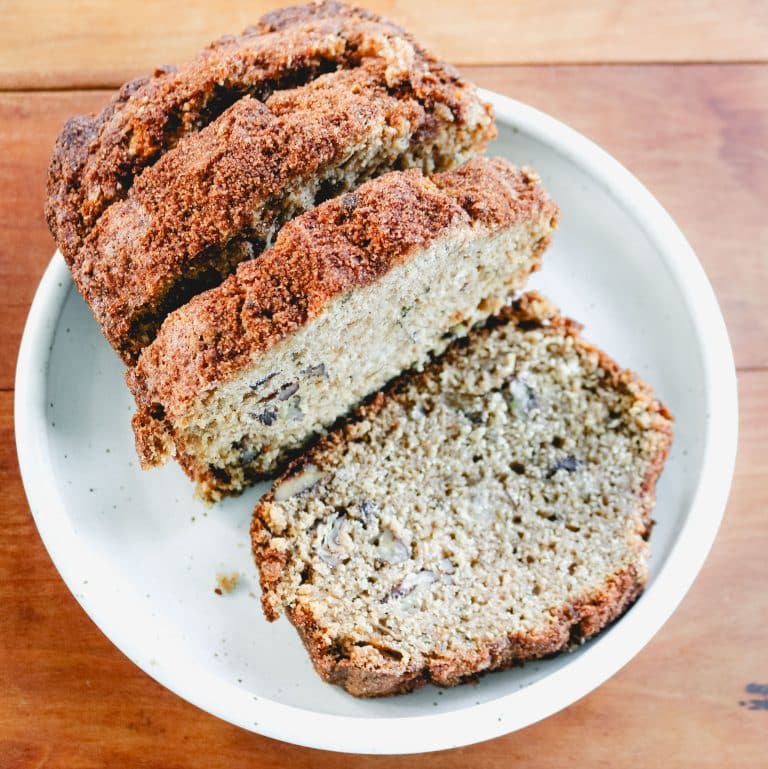
For even more holiday cheer, serve this delicious boiled custard alongside a plate of breakfast favorites. Homemade buttermilk or sourdough biscuits are the perfect complement to a cold glass of custard.
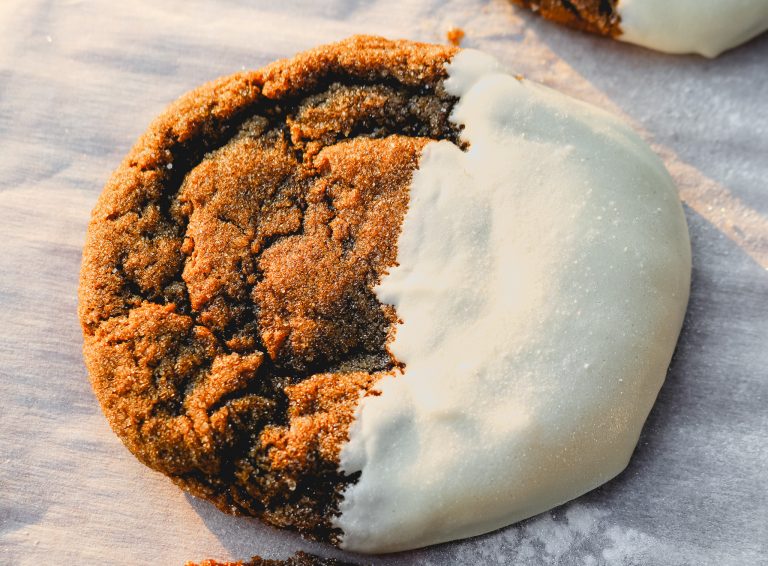
Or, if you have a sweet tooth, pair boiled custard with sourdough ginger cookies, chewy molasses cookies dipped in white chocolate, or traditional sourdough sugar cookies!
Printable Recipe Card:
Granny’s Boiled Custard
Equipment
- 1 large heavy bottomed pot should be big enough to fit a gallon of milk easily
- 1 fine mesh strainer
- 1 large spoon or whisk
Ingredients
- 1 gallon whole milk divided
- 8 large eggs well beaten
- 3 ¾ cups granulated sugar
- 5 heaping tablespoons cornstarch
- A pinch of salt to taste
- Vanilla extract to taste
Instructions
- Reserve two cups of the whole milk and pour the remaining milk into a large pot or double boiler. Add the beaten eggs and cook the mixture over medium-low heat, stirring often, until small bubbles begin to appear around the edges of the pot.
- While the milk mixture warms, combine the sugar and cornstarch in a separate bowl. Add the reserved two cups of milk and whisk until completely smooth without any lumps.
- Pour the milk-sugar mixture into the pot with the warming custard. Stir well and allow the custard to cook for another four to five minutes, stirring frequently to prevent scorching.
- Check the custard for doneness by coating the back of a spoon. When you can swipe your finger across the spoon and create a line that does not fill back in immediately, the custard has thickened enough and can be removed from the heat. If you prefer to double-check the temperature, aim for around 180°F.
- Stir in vanilla extract to taste. For the smoothest texture, strain the custard through a fine mesh sieve and discard any solids.
- You may serve the custard warm right away, or cool it completely and transfer it to mason jars or a covered pitcher. Store it in the refrigerator until ready to enjoy.