
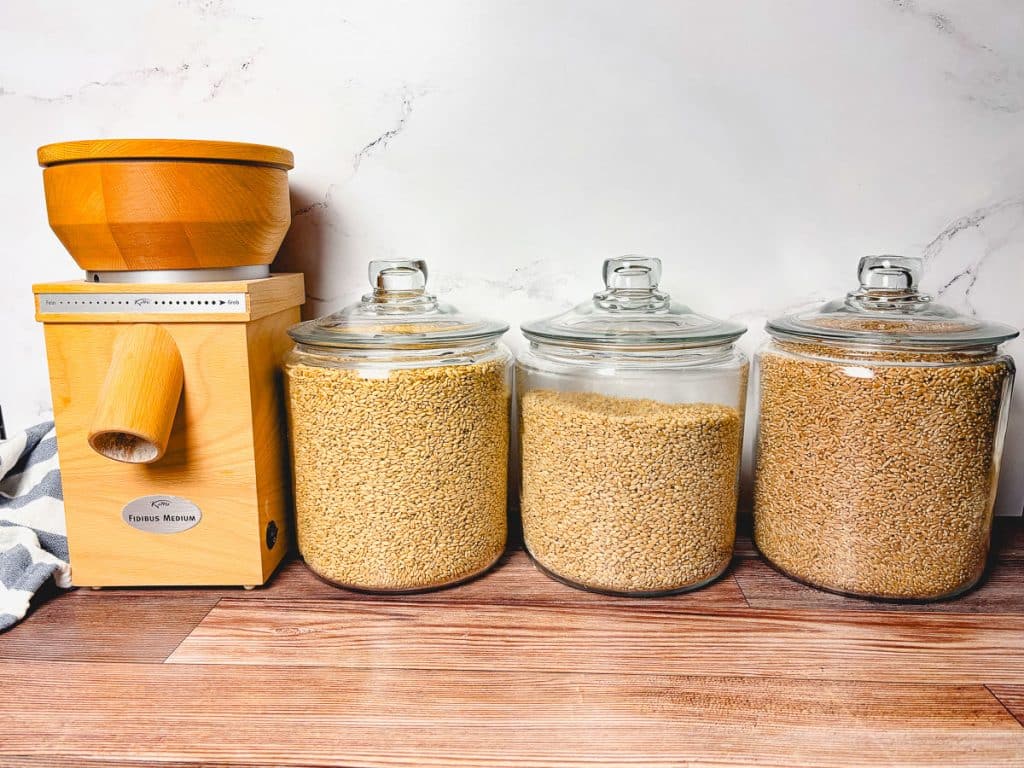
Freshly milled flour is one of the most rewarding upgrades you can make in your from-scratch kitchen. If you already love sourdough, gardening, and homemade pantry staples, grinding your own wheat is the natural next step toward deeper flavor, better nutrition, and truly from-scratch baking.
This guide will teach you everything you need to know—what grains to choose, how to mill them, how fresh-milled flour behaves differently, beginner-friendly recipes, troubleshooting tips, my favorite grain mill, and how to build confidence one bake at a time.
Table of Contents
Everything you need to know to mill your own flour
What Is Fresh-Milled Flour?
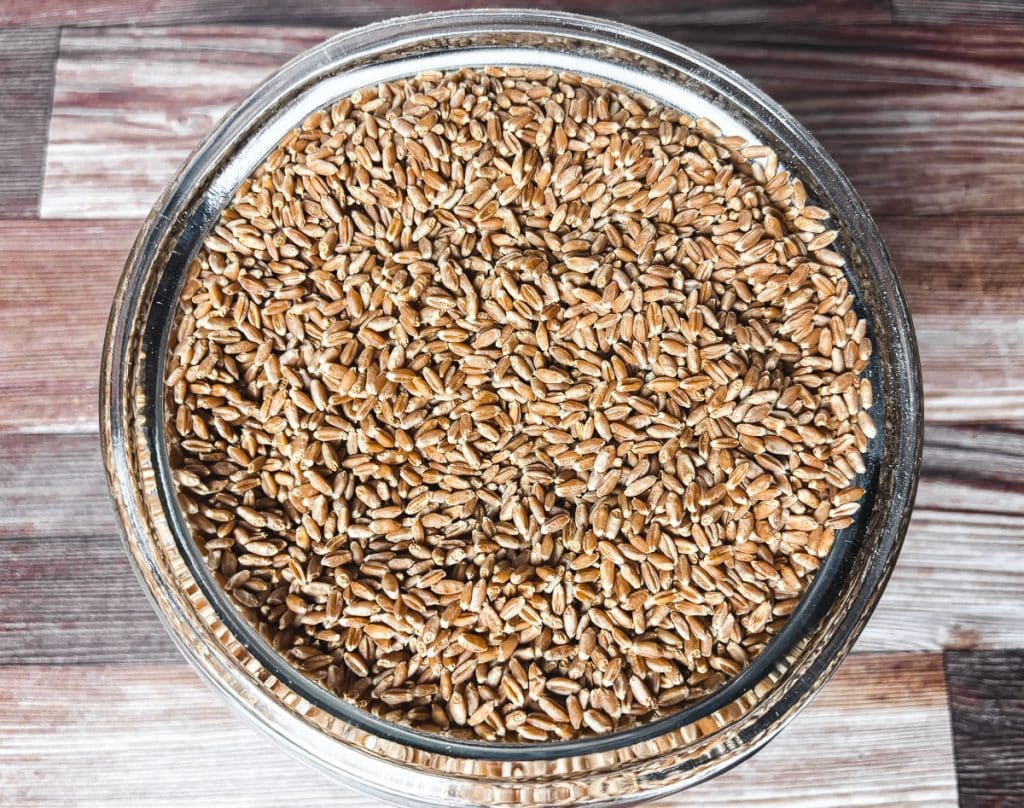
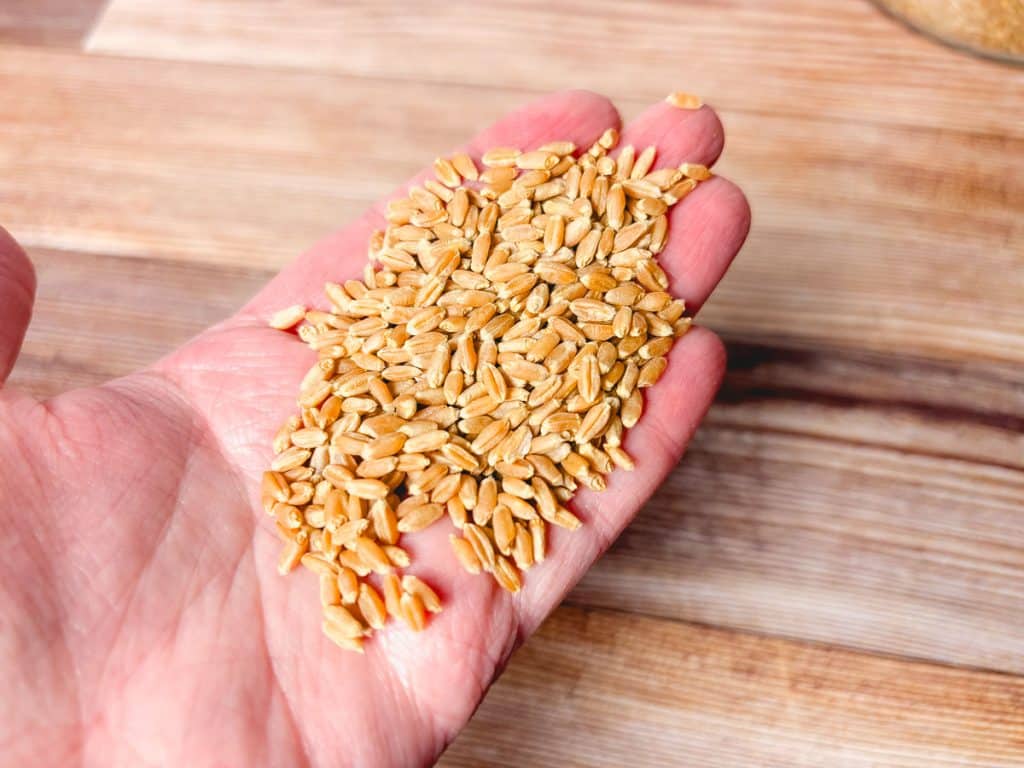
Fresh-milled flour is flour you grind yourself from whole grains (wheat berries) using a home grain mill. Because it hasn’t been sitting on a shelf for months, it retains:
- All natural oils
- All vitamins and minerals
- All flavor compounds
- The full bran + germ
- Sweet, earthy aroma that disappears in store-bought flour
Freshly milled flour hasn’t oxidized, which means baked goods turn out more flavorful, more tender, and more nutrient-dense.
This is “old-world baking”—the way flour was meant to be used.
Why Bake with Fresh-Milled Flour?
1. The Flavor Is Unmatched
Fresh flour has a sweetness and nuttiness you simply don’t get with store-bought whole wheat.
2. You Control the Texture
Want a soft muffin? Grind soft white wheat.
Want hearty sandwich bread? Grind hard white or hard red wheat.
One grain mill gives you endless options.
3. Better Nutrition
Fresh flour still contains:
- Wheat germ oil
- Vitamin E
- Naturally occurring enzymes
Store-bought whole wheat flour is stale by comparison.
4. A More Connected Kitchen
Grinding your own flour is deeply satisfying—especially in a farmhouse kitchen where you’re already cooking from scratch.
What Grains Should You Use?
This is the #1 question new millers ask.
Soft White Wheat
Best for: muffins, biscuits, cookies, quick breads, cakes
Flavor: mild and slightly sweet
Texture: soft, tender crumb
Use this for:
→ Whole Grain Blueberry Muffins
→ Whole Grain Double Chocolate Muffins
→ Fresh-Milled Flour Banana Bread
Hard White Wheat
Best for: sandwich bread, rolls, pizza dough
Flavor: mild, versatile, not too earthy
Texture: chewy but still soft
Use this for:
→ Honey Wheat Sandwich Bread
→ Honey Wheat Rolls
Hard Red Wheat
Best for: rustic loaves, hearty breads, brown bread
Flavor: nutty, earthy, “classic wheat” flavor
Texture: denser crumb
Use this for:
→ Brown Bread with Fresh-Milled Flour
→ Brown Rolls with Fresh-Milled Flour
Kamut® or Khorasan Wheat
Kamut®—also called Khorasan wheat—is an ancient grain known for its naturally golden color and rich, buttery flavor. Kamut is a trademarked type of Khorasan wheat that ensures its quality and grain purity.
Best for: sandwich bread, rolls, enriched doughs, muffins, quick breads- even cookies and cakes.
Flavor: buttery, mellow, slightly sweet. Higher in flavor than white wheat, softer and sweeter than red wheat.
Texture: creates beautifully soft flour that makes for a soft crumb with good structure.
Many other types of grains can be milled, but these are the easiest to start with and what I personally use the most in my kitchen.
How Fresh-Milled Flour Behaves Differently
Freshly milled flour contains:
- more natural oils
- the bran + germ (this is sifted out of white flour from the store- it’s also where a lot of the nutrition is!)
- more active enzymes
Because of this, it absorbs liquid differently and often benefits from:
1. Hydration Adjustments
Start with the recipe amount, then adjust as needed a tablespoon or two at a time.
2. Rest Periods (Autolyse or Rest Period)
This is the KEY to baking with fresh milled flour in my opinion!
Letting the dough rest 10–20 minutes helps soften the bran, leading to a better texture—especially in bread dough. You will notice in most every fresh milled flour recipe of mine, I will include an autolyse or rest time. Don’t skip this- it changes everything!
A simple 10-20 minute rest period before kneading will turn the dough from a sloppy mess to a shiny, smooth dough that is easy to work with. Most of the time the dough doesn’t need more flour, it just needs time to absorb the liquid from the recipe.
3. Gentle Mixing in Quick Breads
A soft crumb is the result of gentle mixing. There is no need to whisk out every lump in pancake batter, muffins or banana bread. Just gently mix until all the ingredients are combined, and trust the process.
4. Slightly Different Rise Times
Whole grains are heavier than plain white flour, which can cause yeast doughs to rise more slowly—especially in recipes with a lot of bran or added mix-ins. However, this is very hit-or-miss.
Both yeast and sourdough actually love fresh-milled flour because there’s far more natural nutrition for the yeast to feed on. For that reason, many fresh-milled recipes—especially sourdough—will rise faster than white-flour versions once the dough is well hydrated.
The biggest factor isn’t the grain itself but dough structure and hydration, so don’t be surprised if your fresh-milled dough rises quickly even though it’s 100% whole grain.
Beginner Tips for Milling at Home
1. Start with Soft White Wheat
It’s easy to work with, delicious, and perfect for cookies, muffins and quick breads.
2. Bake the Same Recipe Several Times
This teaches you how the dough should feel with freshly milled flour. There is a learning curve to baking with fresh milled flour, mastering one recipe at a time makes this easier!
3. Keep Grain in an Airtight Container
Wheat berries last decades if stored properly in air tight containers. I like to buy in bullk from Azure Standard and keep the grains in a 5 gallon bucket with a gamma seal lid.
However, if you are just starting out, grab a five-pound bag of wheat berries and just keep in a small container in your pantry. You don’t need any fancy equipment for delicious results!
4. Mill Right Before Using
This keeps the nutrition and flavor intact. The nutrients in wheat begin to degrade quickly once milled, so mill right before baking for optimum nutrition. If you need to mill ahead of time, keep your flour in the freezer to slow the nutrient breakdown.
5. Don’t Expect “Grocery Store” Texture
Expect:
• hearty, filling loaves
• richer wheat flavor
• more rustic, wholesome results
—in the best way possible. Once you taste good bread made with fresh milled flour, you won’t ever want to go back!
A tip for converting picky eaters- You can start by using half all-purpose and half fresh-milled flour in recipes until your family gets used to the heartier texture.
Tools You’ll Need to Start Milling Your Own Flour
A Grain Mill
Electric mills are fastest and easiest for families who bake often. I’ve owned a couple different grain mills, and while they will all produce flour, some are better than others. My most used grain mill is my Komo, which makes fantastic fine flour and also looks nice sitting on the counter!
If aesthetic isn’t your number one priority and you want a grain mill at a better price point, a Nutrimill Classic is a great grain mill. This was the very first mill I owned, and it is a WORKHORSE with a large capacity.
A Few Good Storage Containers
For:
- wheat berries
- milled flour (only store for short periods, best to store fresh flour in the freezer)
A Kitchen Scale
Because freshly milled flour is more aerated, weighing it gives consistent results. A kitchen scale isn’t necessary for good results, but many recipes will use grams instead of cups.
A Sturdy Stand Mixer
While not 100% essential to make good bread, I personally would not want to make bread or most baking recipes without a good mixer. When it comes to fresh milled flour, doughs are heavier and need more aggressive kneading.
I started my journey with a KitchenAid and while I loved it, I quickly learned I wanted to be able to make bigger batches of bread and needed more kneading capability and a larger capacity bowl.
Note: You CAN use a KitchenAid or smaller mixer, however, you will likely need to increase the kneading time and do smaller batches to properly knead heavier fresh milled flour bread loaves.
There are many recommended mixers for fresh milled flour: Bosch, Ankarsrum, and Zacme are all frequently recommended. I personally use and love a Bosch which has unmatched capacity and durability in my opinion!
Always shop sales and refurbished machines for the best deal. My Bosch is a refurbished model and has served us well!
Fresh-Milled Flour Recipes to Start With
These recipes are written specifically for fresh-milled flour and behave beautifully with soft white, hard white, or hard red wheat.

Beginner-Friendly (Soft White Wheat)
• Cinnamon rolls with fresh milled flour
Ridiculously soft cinnamon rolls topped with decadent cream cheese frosting. This is the recipe to win over even the pickiest eaters and introduce them to truly delicious whole-grain baking.
• Whole Grain Blueberry Muffins
Light, fluffy, naturally sweet. These wild blueberry muffins are a great after-school snack or on-the-go breakfast that will truly satisfy.
• Whole Grain Double Chocolate Chip Muffins
Moist and deeply chocolatey. Is it a dessert or breakfast? 100% your call. Either way you enjoy them, this is bound to be the tastiest way you get fiber into your diet today!
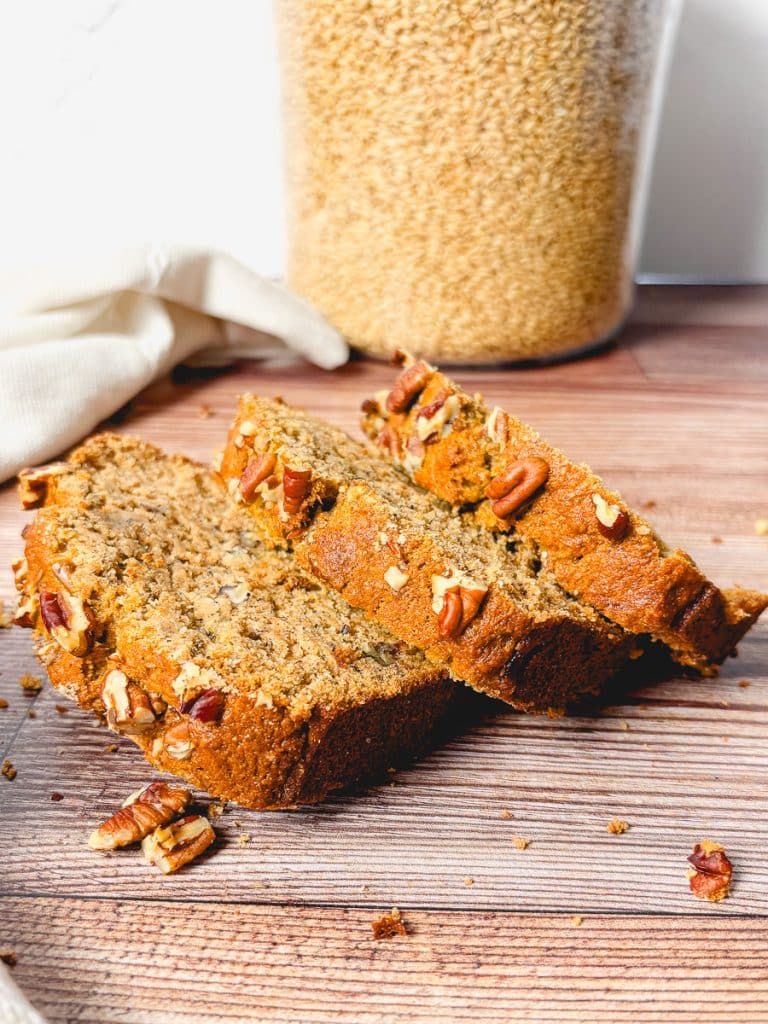
• Fresh-Milled Flour Banana Bread
Perfect soft texture, easy and forgiving for new millers. This banana bread is quick to mix up by hand- no equipment needed!
Everyday Family Bread (Hard White Wheat)
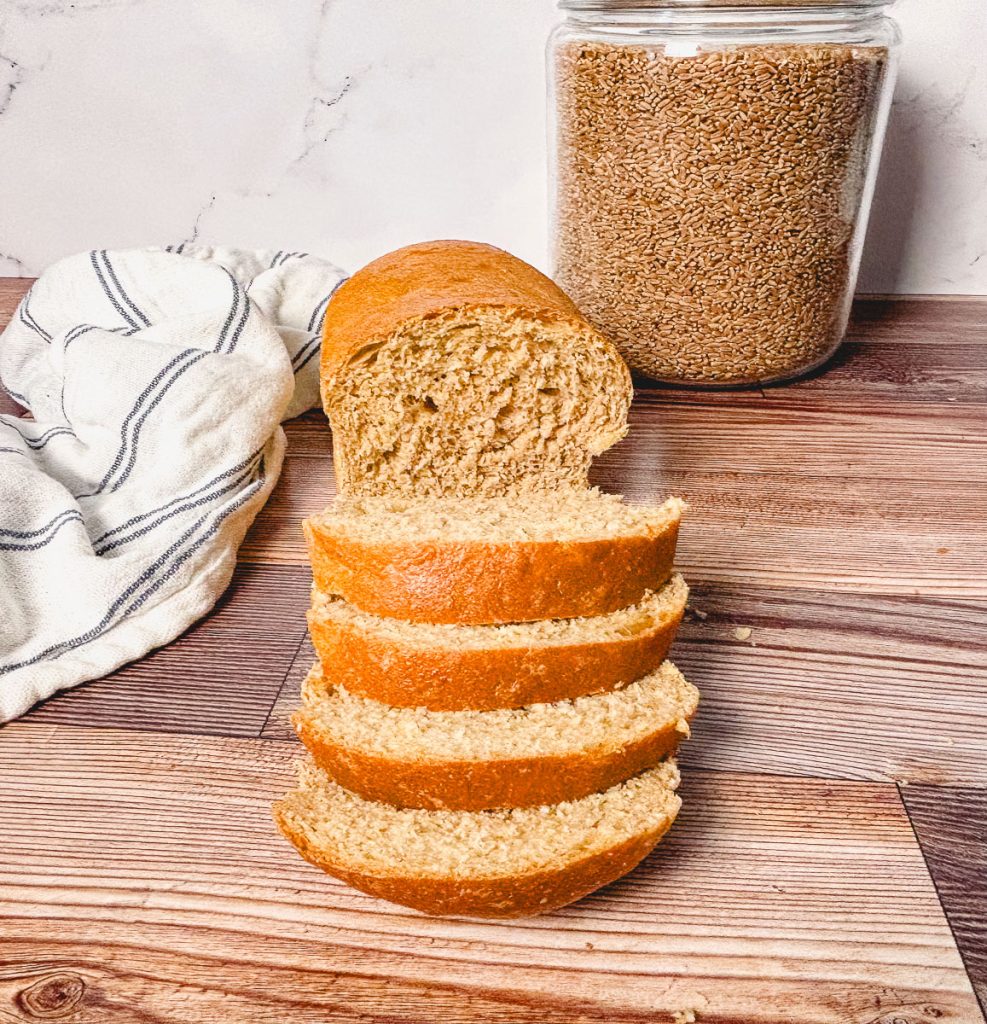
• Honey Wheat Sandwich Bread
Soft, delicious, kid-friendly sandwich loaf. Perfect for PB&Js or roasted chicken sammies!
• Honey Wheat Rolls
Perfect for weeknight dinners or meal prep. Serve alongside a bowl of soup for a deeply nourishing meal.
Rustic & Hearty (Hard Red Wheat)
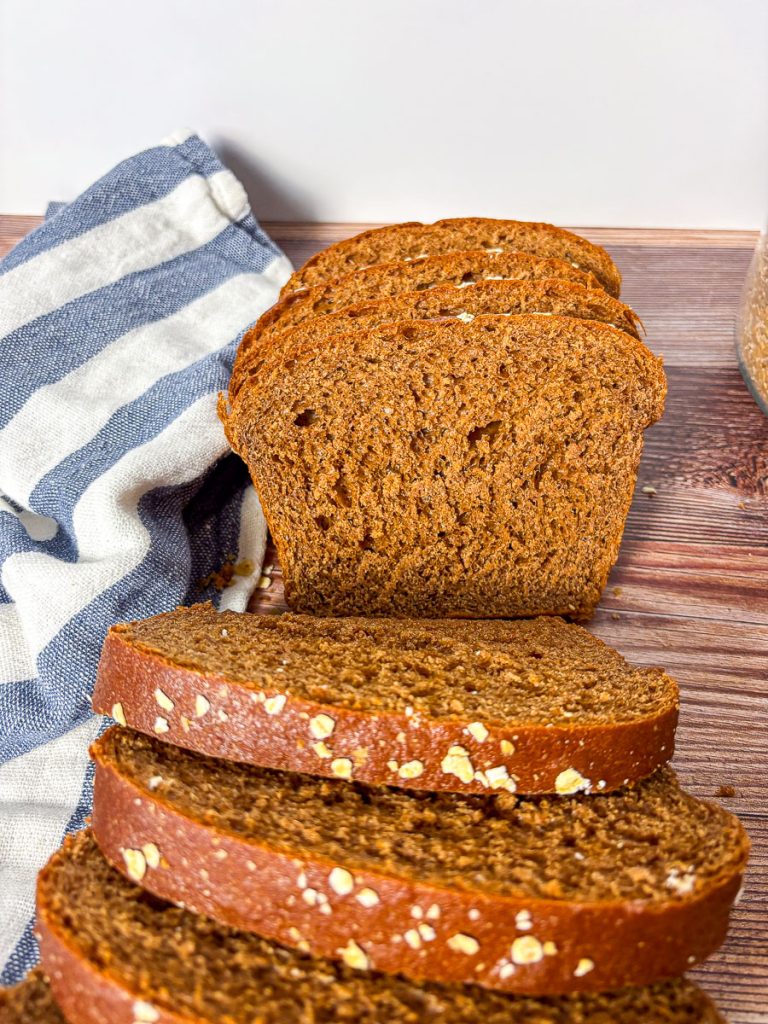
• Brown Bread with Fresh-Milled Flour
Deep flavor and beautiful color. Delicious on its own with some butter, as a sandwich, or alongside soup. Topped with oats, this rich brown bread gets its deep flavor from molasses and cocoa powder.
• Brown Rolls with Fresh-Milled Flour
Super soft on the inside, rustic look on the outside. Goes great alongside dinner or as the star of the show as a slider bun!
How to Substitute Fresh-Milled Flour in Any Recipe
Can I use fresh-milled flour in recipes written for all-purpose flour?
Yes — you absolutely can use fresh-milled flour in almost any recipe written for all-purpose flour. You may just need to make a couple of small adjustments to get the texture right.
Much of what I’ve learned about swapping fresh-milled flour comes from Sue Becker, who is a phenomenal resource on whole-grain baking.
Here’s what to expect when converting recipes:
- Higher absorption — fresh-milled flour naturally soaks up more liquid
- Slightly denser texture — especially in high-bran doughs
- Richer flavor — whole grains add depth that white flour simply can’t
For Yeast Breads
You can often substitute hard white wheat 1:1 for all-purpose flour with excellent results. Fresh-milled hard white produces a soft, flavorful loaf that still has plenty of structure.
For Cakes, Cookies, and Quick Breads
These typically work best with soft white wheat, which behaves more like a fine pastry flour.
A good starting point is:
- 1 cup all-purpose flour = 1¼ cups fresh-milled soft white wheat flour
Because hydration can vary, start with 1¼ cups, then:
- If the batter is too wet, add 1 tablespoon of flour at a time until the texture looks right.
Once I learned this trick, I started having so much more success with fresh-milled flour baking! This simple method makes converting your favorite recipes easy and predictable.
Favorite Resources for Learning More About Fresh-Milled Flour:
Hands down my number one recommendation for a deep dive into baking with fresh milled flour is Sue Becker’s “The Essential Home-Ground Flour Book.” This is the first book I read about baking with fresh milled flour and what made me take the leap to try it!
Aside from her book, Sue Becker has an informational podcast and website that I highly recommend.
FAQ
Is fresh-milled flour healthier?
Yes. It contains the full bran and germ plus vitamin E and wheat germ oils that store-bought flour loses.
Which wheat is best for muffins?
Soft white wheat gives the lightest, most tender crumb.
Can I mill flour ahead of time?
You can, but the nutrition begins to decline after a few hours. Mill right before baking for best results. Alternatively, store fresh milled flour in the freezer to slow down nutrient breakdown.
Can I freeze fresh-milled flour?
Yes—freeze for up to 6 months in an airtight container.