How to Build a From-Scratch Pantry Without Overwhelm
Last Updated on January 12, 2026 by Stephanie Gilpin
Why Building a From Scratch Pantry Is Worth It
Transitioning to a from-scratch pantry can feel like a daunting task, but it doesn’t have to be. A from-scratch pantry is simply a pantry stocked with staple ingredients that allow you to make most basic recipes at home.
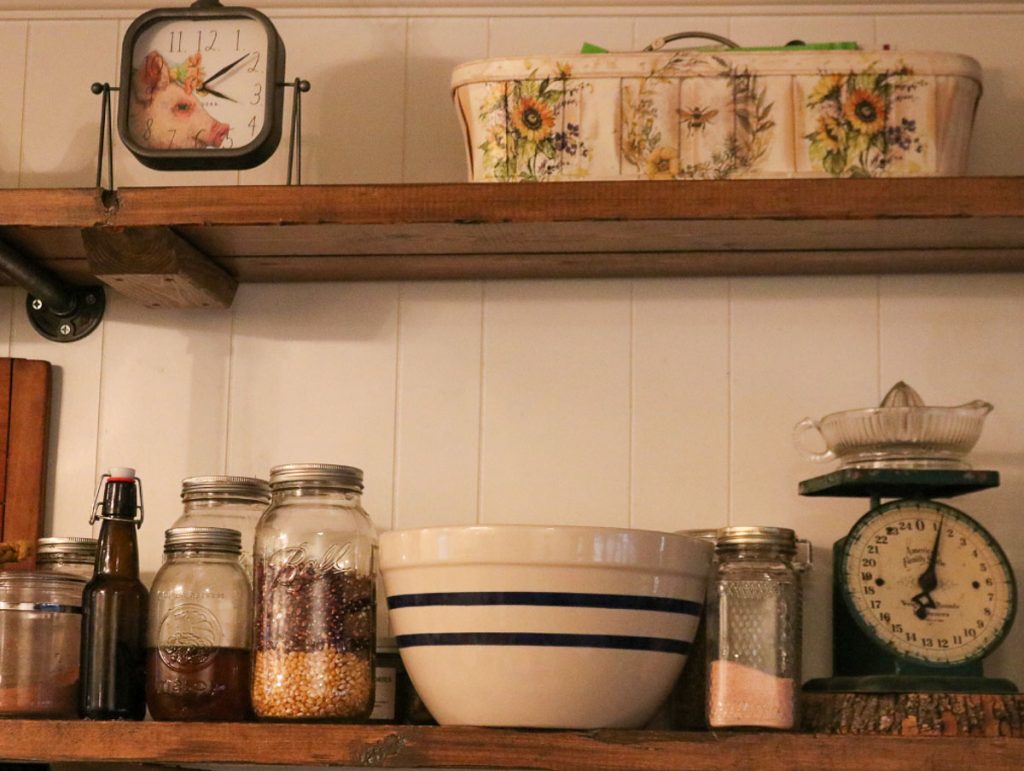
Think whole foods, baking staples, commonly used spices, and meal-building basics like canned vegetables, broth, and grains.
From these core ingredients, you can make hundreds of different meals.
Use the links below to jump to the section you need most.
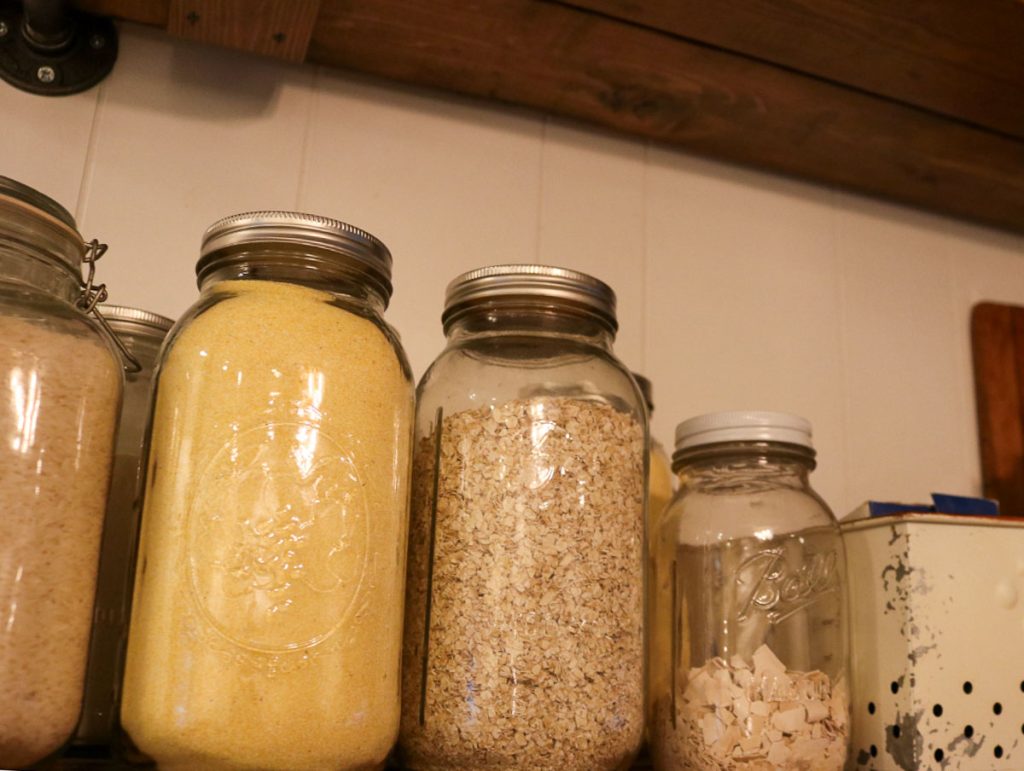
A from-scratch pantry focuses primarily on items with a long shelf life — foods you can stock once and rely on without constantly tracking expiration dates. This isn’t a prepper pantry or preparation for doomsday. It’s preparation for a random Tuesday night when you forget to thaw meat, it’s already 6 p.m., and everyone is hungry.
No one wants to run back out to the store for one missing ingredient when dinner needs to happen now. A well-stocked pantry gives you flexibility. It provides options for last-minute meals and acts as a buffer when you forget something on your grocery list.
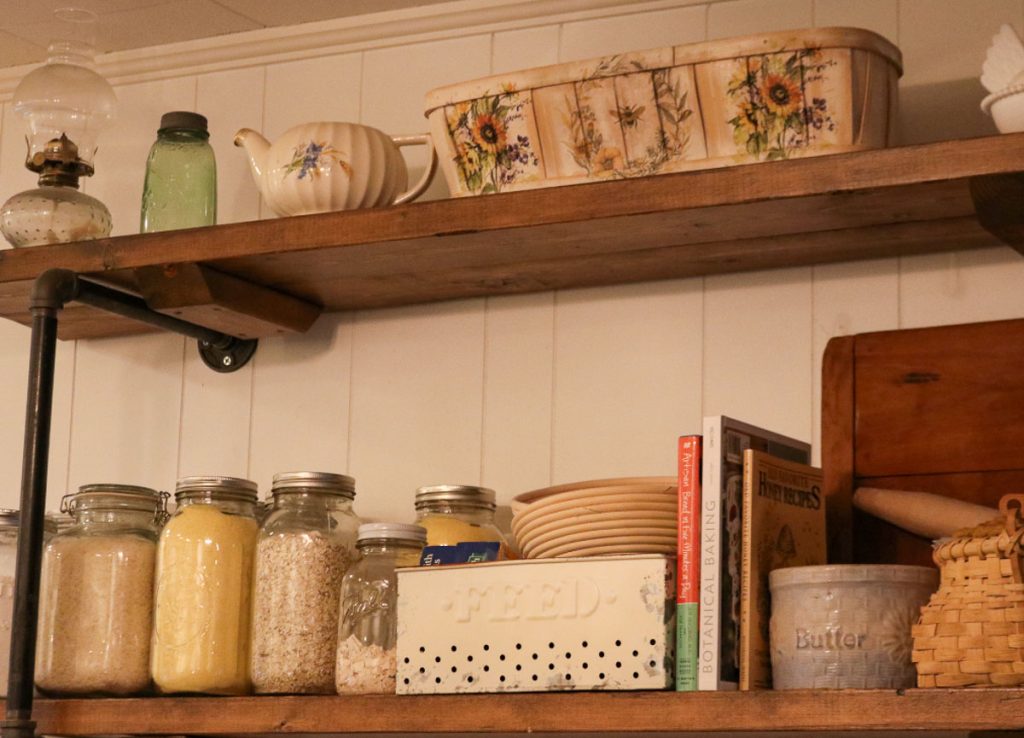
The most important thing to remember is that you don’t need to transform your pantry overnight. Keep it simple, keep it stress-free, and build slowly over time.
What Makes a Good From-Scratch Pantry Staple
For me to consider something a “good” pantry staple, it needs to meet a few basic criteria:
- Has a long shelf life (at least one year)
- Is something we use regularly
- Can be used across multiple meals or recipes
- Saves money and/or improves food quality
- Contains simple ingredients (not heavily processed)
- Replaces a store-bought, premade item
These qualities ensure that each pantry staple is not only useful, but practical — items that last and genuinely make home cooking easier and more enjoyable.
Pantry Staples I Recommend
These are the pantry staples I reach for most often. You don’t need to stock all of these at once — start with what you’ll actually use and build from there.
Baking Basics
This is the largest category because one of the biggest benefits of a from-scratch pantry is baking flexibility. With these basics on hand, you can make muffins, cookies, cakes, breads, bagels, biscuits, and more without an extra trip to the store.
- Baking soda
- Baking powder
- Flour
- Oats
- Cornmeal
- Wheat berries (optional, if you mill your own flour)
- Active dry yeast
- Granulated sugar
- Molasses (used to make brown sugar at home)
- Honey (optional)
- Vanilla extract
- Cocoa powder
- Chocolate chips
Cooking Bases
These staples form the foundation of many simple meals and help make weeknight cooking faster and less stressful.
- High-quality broth or stock (chicken, beef, or vegetable) homemade bone broth
- Canned soups (optional) home canned vegetable beef soup
- Pasta
- Rice
- Dried beans
- Canned fruits and vegetables (including beans)
- Canned tomato products (sauce, paste, crushed tomatoes)
Seasonings
A small, well-used seasoning collection goes much further than a cabinet full of rarely touched blends.
- Salt and black pepper
- Garlic powder
- Onion powder or dried minced onion
- Cinnamon
- A few favorite seasoning mixes you actually use (ranch, taco and chili seasonings are some of my favorite)
Condiments
These staples add flavor quickly and help recreate familiar store-bought foods at home.
- Soy sauce or coconut aminos
- Yellow mustard
- Ketchup
- Apple cider vinegar
- Cooking oil (olive, avocado, or coconut)
Preservation Staples
These items support food preservation and pantry longevity.
- Citric acid
- White vinegar
What I Don’t Make From Scratch
There are several pantry staples I enjoy making from scratch, but there are also things I don’t make regularly — and that’s intentional. Even though I like knowing how to make everything, some items aren’t worth the time investment for me every time I want to use them.
Dried pasta
While I enjoy making homemade pasta, I don’t always have the time or energy for it. I keep several boxes of dried pasta on hand for quick, reliable meals.
Some canned foods
I love canning produce from my garden and keep many home-canned items in my pantry, but some vegetables simply aren’t worth the effort for me unless I grow them in abundance. Affordable, healthy store-bought options are widely available.
Items like canned corn, canned carrots, or canned meats such as tuna and salmon are things I’m perfectly happy to buy.
Your list may look different — and that’s okay. This is a realistic kitchen, not a purity test.
How to Build a From-Scratch Pantry Slowly
Slow and steady wins every time. There’s no need to strain your budget by trying to buy everything at once.
When you grocery shop, buy two bags of flour instead of one. When you run out of salt, replace it with two containers instead of one. These small, affordable choices add up faster than you think.
As you work through this list, don’t feel overwhelmed. Highlight the items you want to add next, and slowly rotate them into your grocery list. Each week, add one or two staples. Over time, your pantry will naturally become well stocked.
Which Items Should You Buy First?
Start with what you already use. Basics like flour, sugar, and seasonings that most households rely on regularly are the best place to begin. Be practical — if your family doesn’t eat oats, there’s no reason to stock them.
If you’re brand new to cooking from scratch, focus on learning one skill at a time. Start with something simple, like making mayonnaise. Once that feels comfortable, move on to baking a basic loaf of bread.
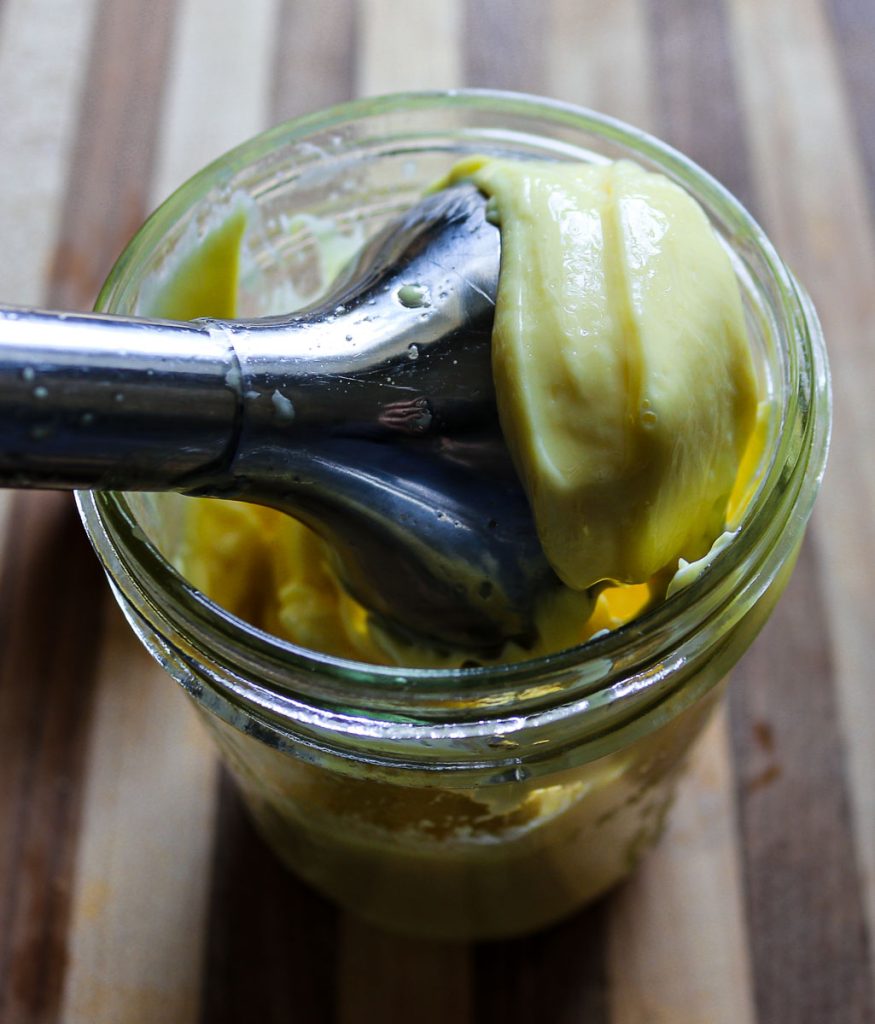
Over time, these skills stack naturally. Before you know it, baking bread, making condiments, and preserving food will feel second nature.
How This Fits Into Your Kitchen System
A from-scratch pantry works best when it supports your overall kitchen rhythm. It connects naturally with food preservation, weekly meal planning and sourdough baking—especially if you’re following my sourdough for beginners guide.
Once you’re comfortable, learning how to maintain a sourdough starter becomes much easier when your pantry is already stocked with the basics.
When your pantry is stocked with the right staples, cooking becomes more flexible, less stressful, and easier to adapt to real life!
This is where a pantry stops being a storage space and starts functioning as a system.
Frequently Asked Questions
Is it cheaper to make pantry staples from scratch?
Most of the time, yes. Bread is a great example. While the ingredients may cost slightly more than the cheapest store-bought loaf, one bag of flour and a box of yeast can produce multiple loaves at a fraction of the long-term cost.
How long do homemade pantry staples last?
This varies by ingredient, but many pantry staples will last one to two years when stored properly. Dried beans, wheat berries, sugar, and seasonings can last several years — some even decades — with proper storage.
Do I need special equipment?
No. That’s one of the best parts of a from-scratch pantry. It’s simple to stock and maintain, and most items require no special tools.
What should I make first?
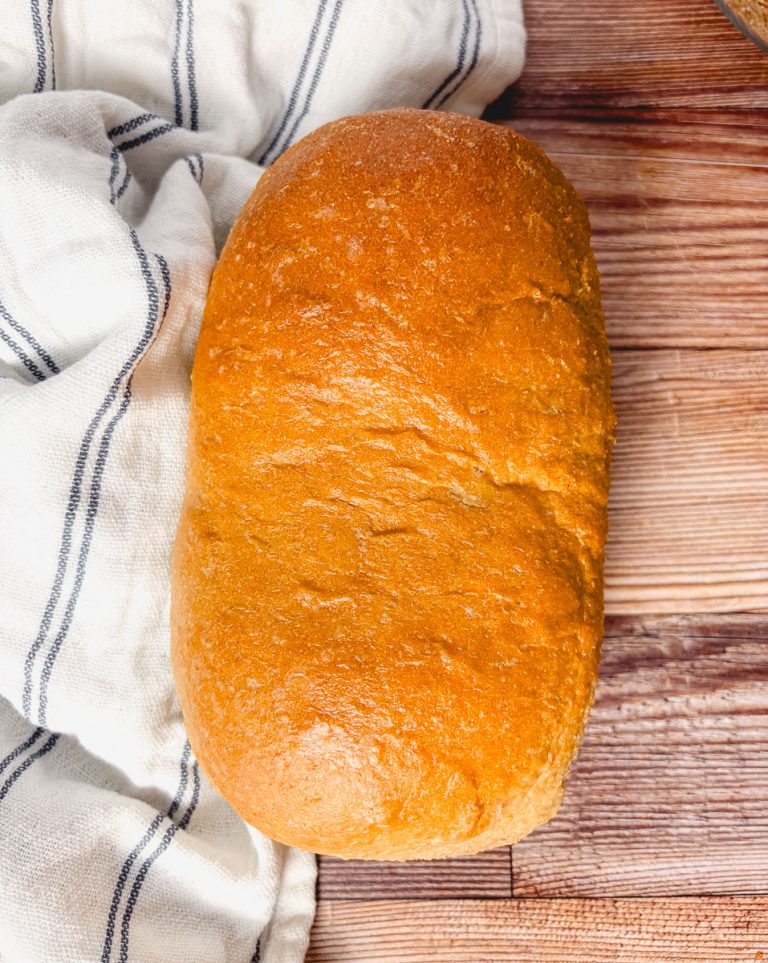
Once your pantry is stocked with staples you actually use, start learning to cook from scratch. I recommend beginning with bread. A simple white sandwich loaf is a great place to start if you’re new to baking.